
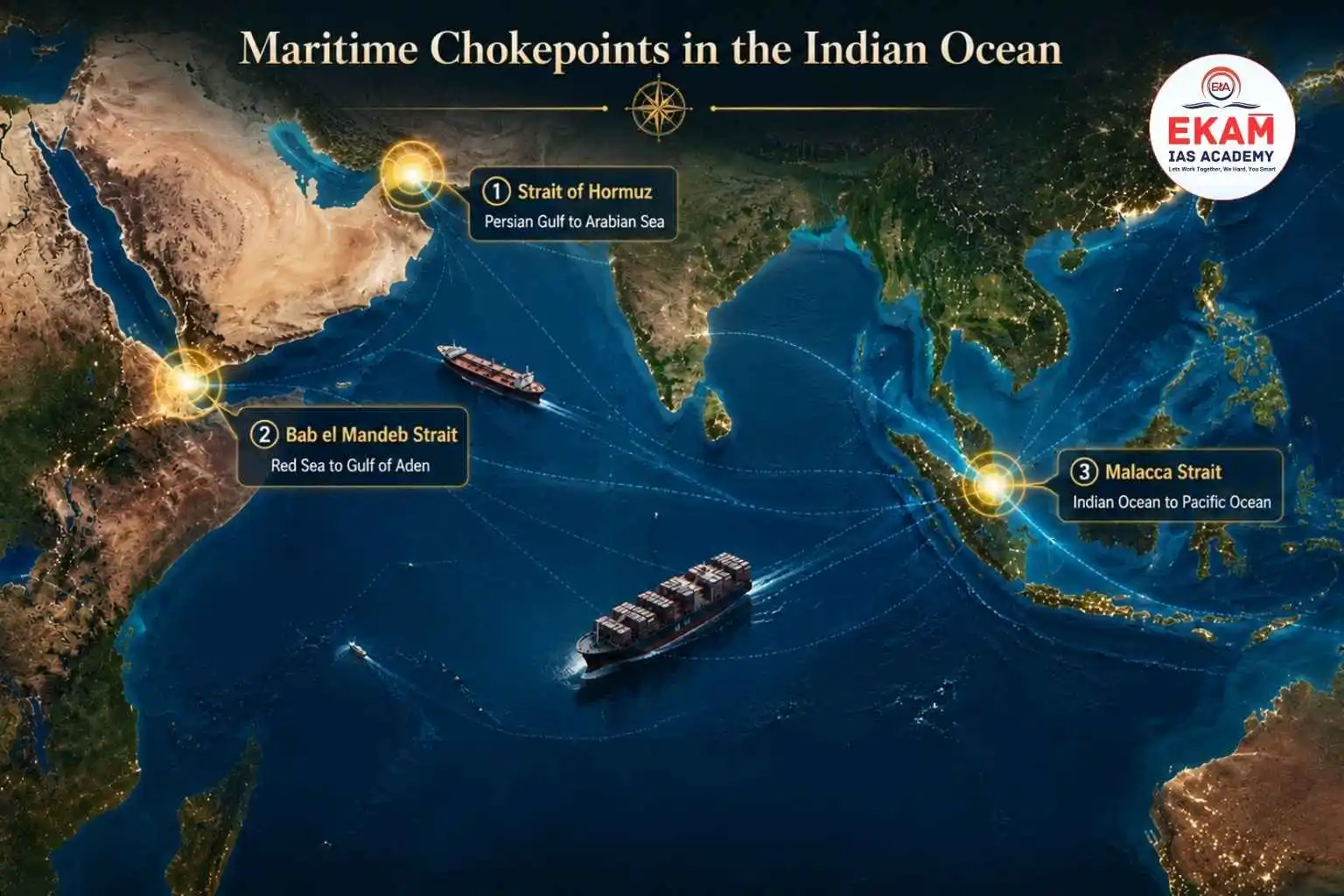
Rising geopolitical tensions in West Asia have once again drawn global focus to critical maritime chokepoints. This topic is important for aspirants preparing through IAS coaching in Hyderabad, UPSC coaching in Hyderabad, and UPSC online coaching.
What are Maritime Chokepoints?
• Definition: Narrow waterways such as straits or canals where a large share of global shipping must pass.
• Examples: Strait of Hormuz, Bab el Mandeb, Malacca Strait, Suez Canal, Panama Canal.
• Function: Act as “pressure points” in global trade, concentrating cargo flows of oil, LNG, minerals, and container goods.
Why They Are Important
• Global Trade Dependence: Over 80% of global trade by volume and 70% by value relies on maritime routes.
• Energy Security: Around 20–25% of global oil trade passes through the Strait of Hormuz, while 10% of seaborne oil moves via Bab el Mandeb, and 80% of China’s oil imports transit the Malacca Strait.
• Economic Impact: Even temporary blockades or attacks can raise freight costs, insurance premiums, and fuel prices, disrupting manufacturing and logistics worldwide.
• Geopolitical Sensitivity: States controlling or patrolling chokepoints gain strategic leverage, often leading to military build ups and freedom of navigation operations.
Key Strategic Chokepoints
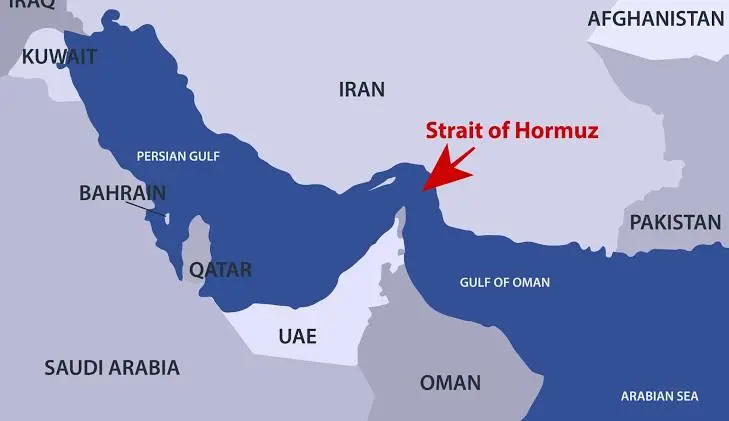
Strait of Hormuz
• Location: Between Iran and Oman, linking Persian Gulf → Arabian Sea.
• Importance:
• Handles 20–25% of global oil trade.
• Critical for India, China, Japan, EU energy imports.
• Military tensions here directly affect global crude prices.
Bab el Mandeb Strait
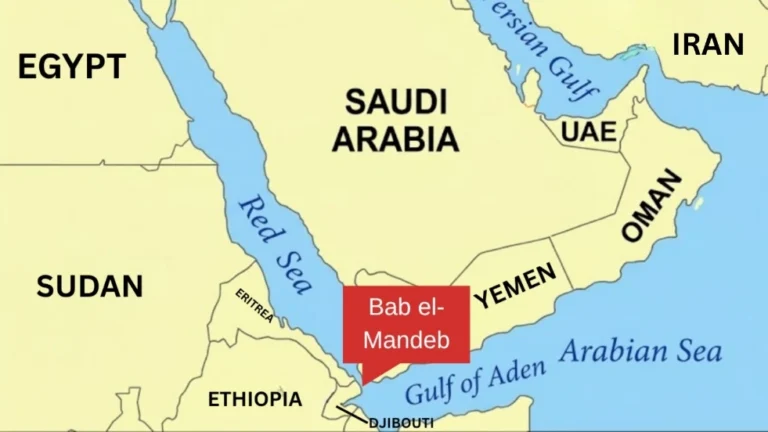
• Location: Between Yemen and Djibouti/Eritrea.
• Connects Red Sea → Gulf of Aden → Suez Canal.
• Importance:
• Nearly 10% of global seaborne oil trade.
• Key for Asia–Europe container shipping.
• Recent Houthi rebel attacks disrupted traffic, forcing ships around Cape of Good Hope, raising costs.
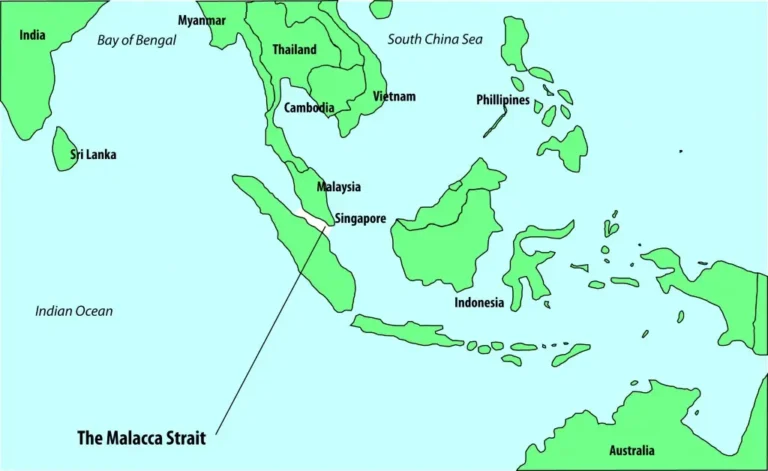
Malacca Strait
• Location: Between Malaysia, Singapore, and Indonesia.
• Connects Indian Ocean → Pacific Ocean.
• Importance:
• Carries nearly 25% of global trade.
• 80% of China’s oil imports pass through.
• Strategic vulnerability in Indo-Pacific geopolitics.
Challenges & Alternatives
• Few practical alternatives exist.
• Pipelines bypassing Hormuz have limited capacity.
• Cape of Good Hope route adds time and cost.
• Hence, uninterrupted functioning of chokepoints is essential for global economic stability.
Conclusion
Maritime chokepoints in the Indian Ocean — Hormuz, Bab el Mandeb, and Malacca — are the lifelines of global trade and energy security. Their stability ensures economic resilience and strategic balance worldwide.
For aspirants preparing through IAS coaching and civils coaching in Hyderabad, this topic is highly relevant for GS1 Geography, GS2 International Relations, and GS3 Energy Security.
This topic is available in detail on our main website.