
The Ministry of Agriculture and Farmers Welfare has introduced the Seeds Bill 2025, aiming to modernise seed regulation. It proposes compulsory registration of all seed varieties and stricter penalties, replacing the Seeds Act, 1966.
Why India Needs a New Seeds Law
- Current Seeds Act covers only notified varieties, leaving many categories (green manure, plantation crops) outside regulation.
- Penalties under the 1966 Act are outdated – only six months’ jail or ₹1,000 fine.
- Rising complaints of spurious and poor-quality seeds demand stronger legal safeguards.
- Earlier attempt in 2004 failed to become law, keeping regulatory gaps unresolved.

Problem of Substandard Seeds
- Between 2022–25, 43,001 seed samples were found non-standard out of ~6 lakh tested.
- West Bengal reported the highest share (62%), followed by Tamil Nadu and Madhya Pradesh.
- Enforcement actions included 12,287 warnings, 12,915 stop-sale orders, 1,914 FIRs, and 164 forfeitures.
- Highlights the scale of fake seed circulation affecting farmers’ livelihoods.
India’s Seed Requirement & Market
- 2024–25 demand: 48.20 lakh tonnes; availability: 53.15 lakh tonnes (adequate supply).
- Seed market size: ~₹40,000 crore.
- From 2014–25, 3,053 new varieties released – 85% by public sector, 15% by private firms.
Key Features of Seeds Bill 2025
- Mandatory Registration: All varieties (except traditional farmers’ seeds and export-only) must be registered after VCU testing.
- Quality Standards: Minimum germination and purity required for sale.
- Market Controls: Dealers need state registration; QR codes on seed packets via central portal.
- Accreditation System: Nationally accredited firms can operate across states without extra approvals.
- Stricter Penalties:
- Minor offences – fines from ₹1 lakh.
- Major offences – up to ₹30 lakh fine and 3 years’ imprisonment.
- Farmers’ Rights: Farmers can grow, save, exchange, and sell farm-saved seeds (not branded).
- Committees: New central and state seed committees for oversight.
Concerns Raised
- Compensation Gap: Farmers must go to court for crop failure claims – costly and slow.
- Exclusion of Community Seed Keepers: FPOs, women’s groups face heavy compliance, risking biopiracy of native varieties.
- Corporate Tilt: VCU trials favour hybrids; digital compliance burdens small rural seed keepers.
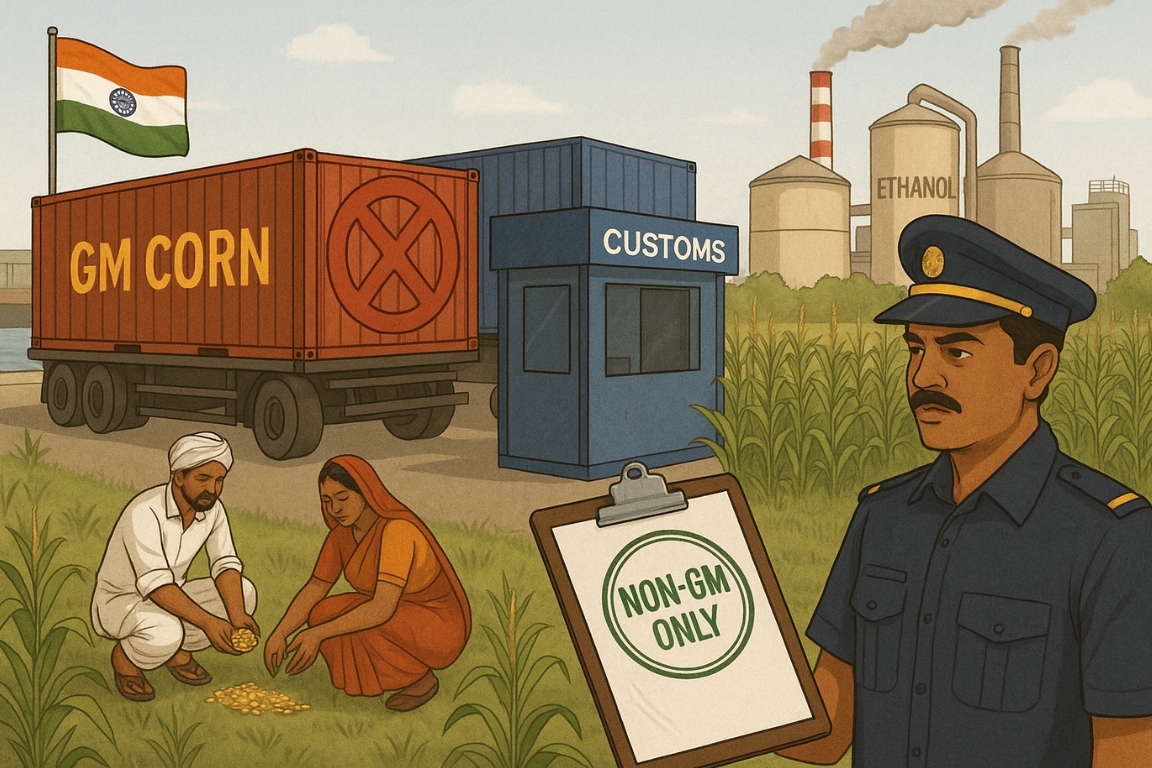
- Foreign Entry Risk: Recognition of foreign organisations for testing may allow GM/patented seeds without strong domestic checks.
Conclusion
The Seeds Bill 2025 seeks to strengthen seed regulation and protect farmers from fake seeds. However, concerns about farmer compensation, community seed rights, and corporate bias need careful redress.
This topic is available in detail on our main website.