
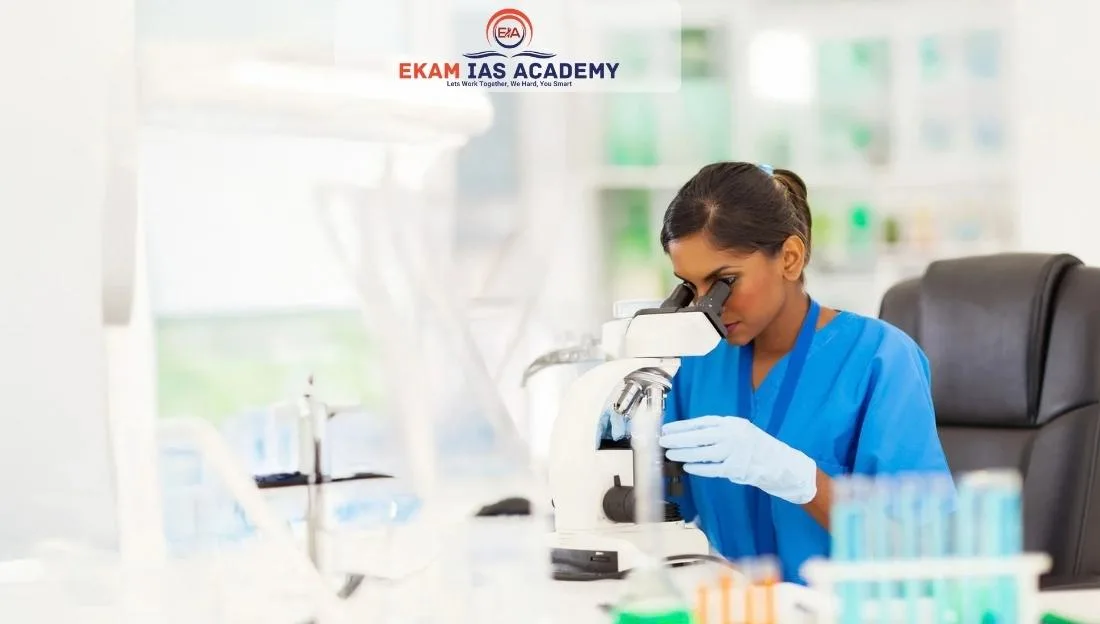
Despite India producing the highest number of female STEM graduates globally, women form only 18% of the research and development workforce — a challenge often discussed in UPSC coaching in Hyderabad while analysing gender equity in science and innovation.
Women in STEM (Science, Technology, Engineering, and Mathematics)
• Global Picture: Across the world, women form only 35% of STEM graduates and about 30% of the STEM workforce.
• School-Level Trends Abroad: This early gap reduces the number of women entering higher education and research in STEM fields.
• India’s Unique Case: Unlike global trends, India has high female participation in science education — girls often make up nearly half of science pass-outs at Class 12.
• However, despite strong enrolment, women’s transition into long-term research jobs is limited, with only 18% representation in R&D.
India’s STEM Education Trends
• High Participation in Science Education: After Class 10, nearly 60% of girls opt for the science stream. Girls make up 46% of Class 12 science pass-outs, showing strong interest in STEM subjects.
• Strong Representation in Higher Studies: At the bachelor’s level, women constitute 43% of STEM graduates.
• At the master’s and doctoral levels, women’s share rises to almost 50%, among the highest globally.
• Low Transition into Research Careers: Despite high enrolment and graduation rates, women’s presence in research jobs and the R&D workforce remains disproportionately low (18%), reflecting India’s unique “leaky pipeline.”
Where Are the Leaks?
Entry into Research Jobs
• Women Ph.D. holders struggle to secure long-term positions.
• Many end up in short-term contractual roles without benefits or career growth.
Institutional Representation
• Women scientists constitute less than 30% in national research agencies.
• Only 8% of faculty positions are held by women.
• In IITs, only 11–13% of scientists are women.
Social & Cultural Barriers
• Ph.D. completion often coincides with family pressures related to marriage, relocation, and childcare.
• Academic jobs rarely allow remote or flexible work arrangements — challenges frequently discussed in IAS coaching in Hyderabad while studying gender justice in science.
Position Gap
• Women scientists often occupy precarious roles in grant-funded projects or fellowships.
• Lack of promotions, increments, and employment benefits leads to limited career advancement.
• Gender equity initiatives remain fragmented and poorly implemented.
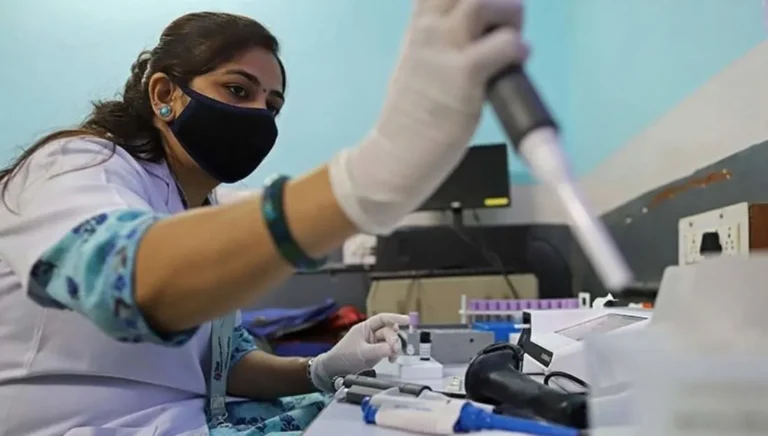
Way Forward
Policy Reform
• Relax age cut-offs, expand recruitment drives, and ensure accountability in gender equity programmes.
Support Systems
• Provide childcare facilities, flexible work arrangements, and relocation support for women researchers.
Recognition & Incentives
• Create permanent positions, fair wages, and structured career pathways for women scientists — measures often emphasised in UPSC online coaching while analysing science policy.
Conclusion
India’s leaky pipeline in STEM is unique: women enter STEM education in large numbers but drop out at the research and innovation stage due to social expectations, structural barriers, and institutional gaps. Addressing this position gap is essential for achieving gender parity in science and strengthening India’s innovation ecosystem, a key theme often discussed in civils coaching in Hyderabad for GS3 Science and Technology.
This topic is available in detail on our main website.