
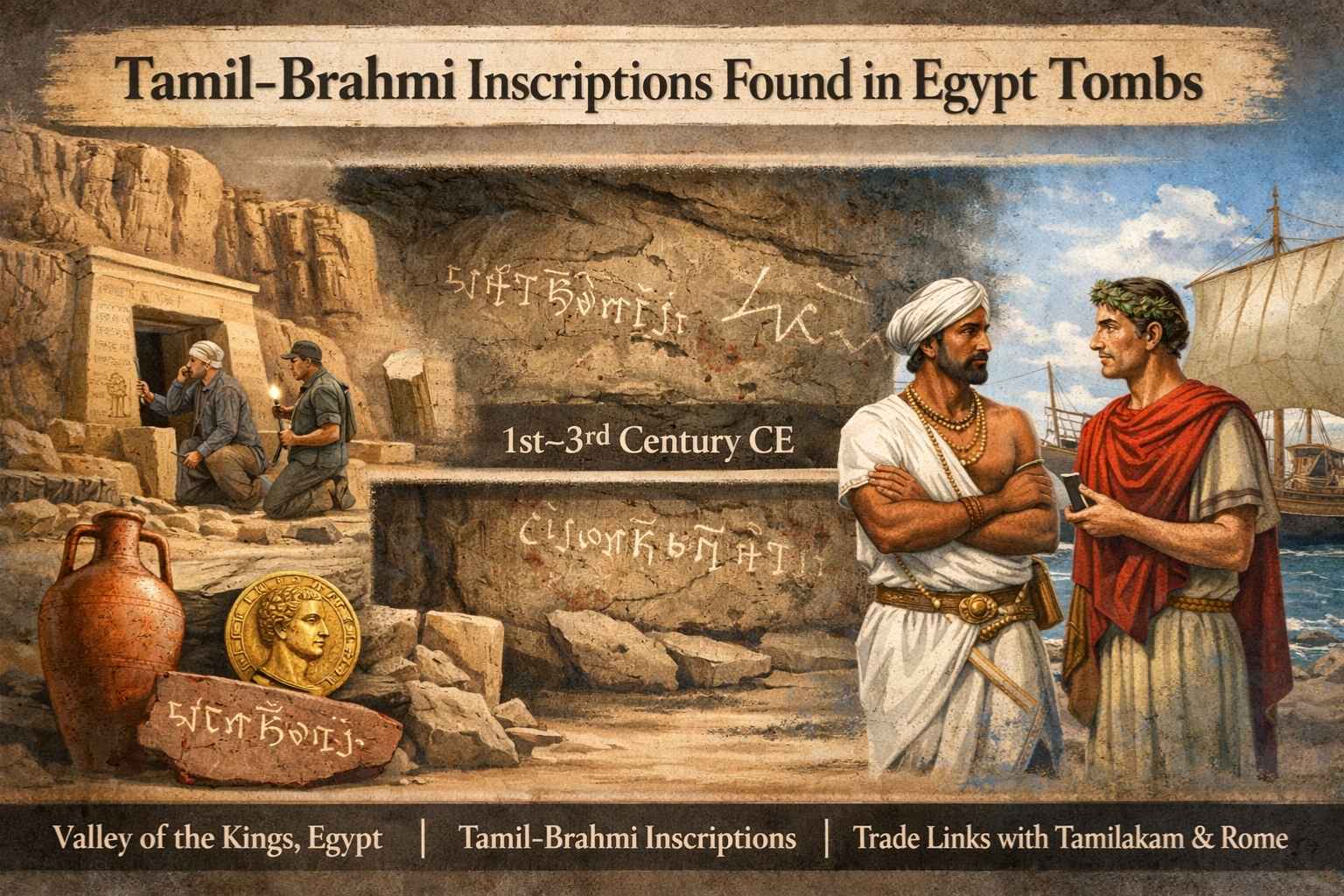
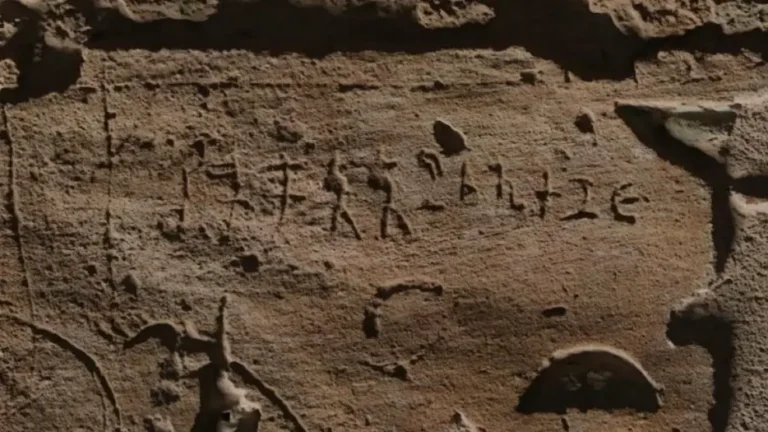
Recent research has identified nearly 30 Tamil-Brahmi inscriptions in tombs at the Valley of the Kings (Egypt), dating to the 1st–3rd centuries CE. The inscriptions, written in Tamil-Brahmi, Prakrit, and Sanskrit, provide fresh archaeological evidence of direct trade and cultural contacts between South India and Roman Egypt.
About Tamil-Brahmi Script (Static Background)
- Tamil-Brahmi is an early form of the Brahmi script adapted to write the Tamil language.
- Dates from around 3rd century BCE to 3rd century CE.
- Found in:
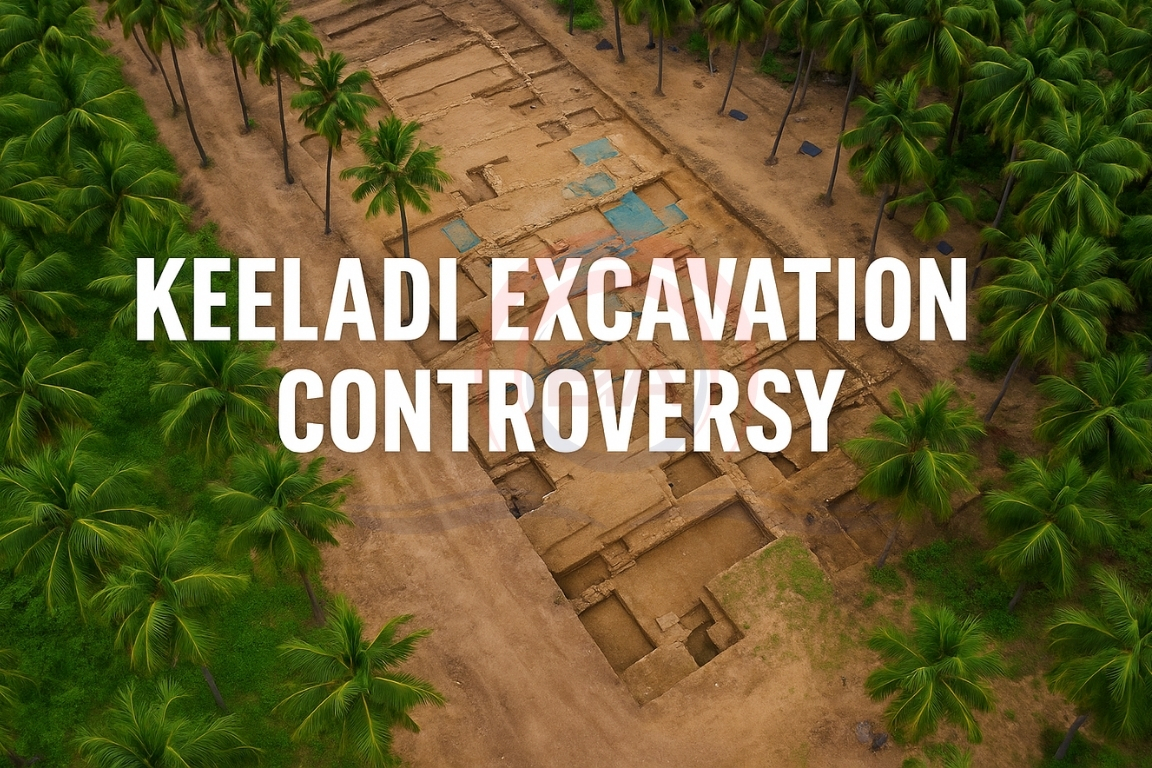
- Tamil Nadu (Adichanallur, Keeladi, Mangulam)
- Sri Lanka
- Kerala
- Used primarily for:
- Trade-related inscriptions
- Cave donations
- Pottery graffiti
- Demonstrates early literacy and urbanization in Sangam Age (300 BCE–300 CE) Tamilakam.
Key Findings from Egypt
Location
- Found in tombs in the Valley of the Kings (Upper Egypt).
- Inscriptions appear alongside Greek graffiti, suggesting multicultural presence.
Nature of Inscriptions
- Short inscriptions and visitor graffiti.
- Names like:
- Cikan Korran (Sikan Korran)
- Korran
- Catan
- Kiran
- Written in Tamil-Brahmi, with some in Prakrit and Sanskrit.
Evidence Supporting Trade Links
Archaeological Evidence
- Roman coins found in Tamil Nadu.
- Amphorae and Roman pottery at Arikamedu.
- Tamil-Brahmi pottery in Red Sea region.
Literary Evidence
- Periplus of the Erythraean Sea (1st century CE).
- Sangam literature (e.g., Pattinappalai).
- Roman accounts by Pliny and Strabo.
Epigraphic Evidence
- Newly discovered Tamil-Brahmi inscriptions in Egypt strengthen earlier assumptions of maritime connectivity.
Significance of the Discovery
Direct Physical Presence
- Roman coins found in Tamil Nadu.
- Amphorae and Roman pottery at Arikamedu.
- Tamil-Brahmi pottery in Red Sea region.
Multilingual Interaction
- Presence of Tamil, Prakrit, Sanskrit alongside Greek indicates cosmopolitan trade networks.
Cultural Exchange
- Graffiti inside tombs suggests participation in local customs of leaving names.
- Reflects early globalization.
Reassessment of Trade Scale
- Indicates sustained and organized trade networks.
- Strengthens role of Tamilakam as a maritime power.
This topic is available in detail on our main website.