
The U.S. Supreme Court recently upheld its ruling on same-sex marriage, reaffirming the centrality of equality in modern societies. At the same time, global and domestic debates on LGBTQIA+ inclusion in workplaces and markets underline a critical reality: diversity is not only an ethical commitment but also a powerful driver of economic growth. These linkages between social justice and economic outcomes are increasingly discussed in governance and society modules by aspirants preparing through UPSC coaching in Hyderabad.
The Business Case for Inclusion
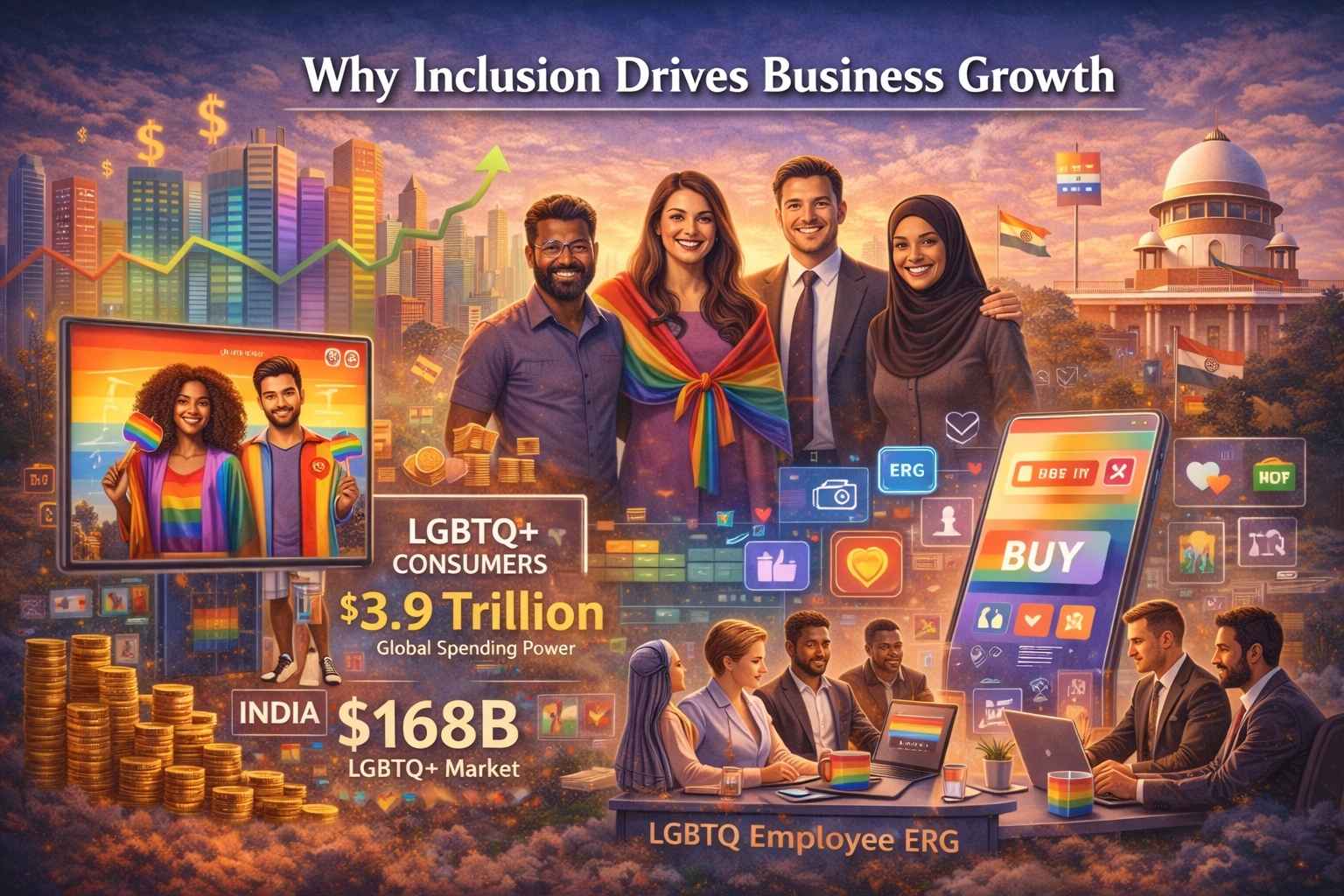
- Inclusion is no longer just about rights; it is also about economic impact and consumer behaviour.
- The LGBTQIA+ community has an estimated $3.9 trillion global spending power, making it a major consumer force.
- Companies that fail to engage authentically with this segment risk losing competitiveness and market relevance.
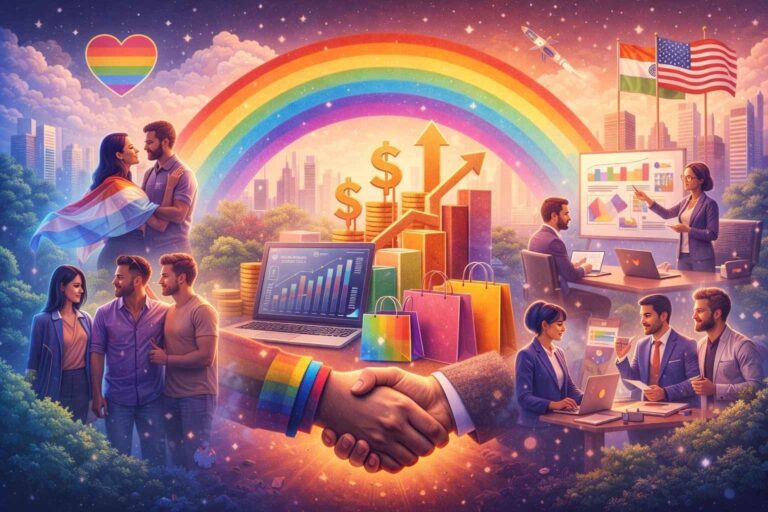
The Rainbow Market in India
- India is home to nearly 135 million LGBTQIA+ individuals, roughly 10% of the population.
- Their estimated purchasing power stands at $168 billion, comparable to several major industrial sectors.
- Exclusion carries tangible economic costs: studies estimate GDP losses of 0.1%–1.7% due to health disparities, discrimination, and labour market exclusion.
- Recognising this community as an integral consumer and workforce segment is essential for India’s inclusive growth trajectory—an idea often emphasised in social justice discussions at Hyderabad IAS coaching.
Inclusive Marketing and Workplace Culture
- True inclusion goes beyond token campaigns; it requires representation in advertising and product design.
- Younger consumers expect brands to celebrate diversity and reflect real identities.
- Inclusive workplaces attract and retain top talent, creating motivated teams and stronger brand loyalty.
- Companies that act consistently, not just during Pride Month, show genuine respect for the community.
Challenges: Performative Allyship
- Global surveys show declining support for brands that appear performative in their LGBTQIA+ advocacy.
- Seasonal campaigns without yearround commitment create consumer fatigue.
- The shift reflects rising expectations for authentic corporate responsibility rather than declining support for equality.
What Genuine Inclusion Looks Like
- Representation: Diverse identities reflected in leadership, advertising, and product development.
- Corporate advocacy: Support for LGBTQIA+ rights through consistent public positions and partnerships.
- Internal policies: Trans-inclusive healthcare, employee resource groups, and robust anti-discrimination mechanisms.
- Consistency: Alignment between internal workplace practices and external brand messaging, building trust and credibility—an approach increasingly highlighted in civils coaching in Hyderabad.
Conclusion
Inclusion is both a moral imperative and a business advantage. Companies that embed diversity into their culture, policies, and consumer engagement gain stronger loyalty, attract talent, and tap into a powerful market. Authentic inclusion, not symbolic gestures, will define sustainable business growth in the future.
This topic is available in detail on our main website.