
Why in News?
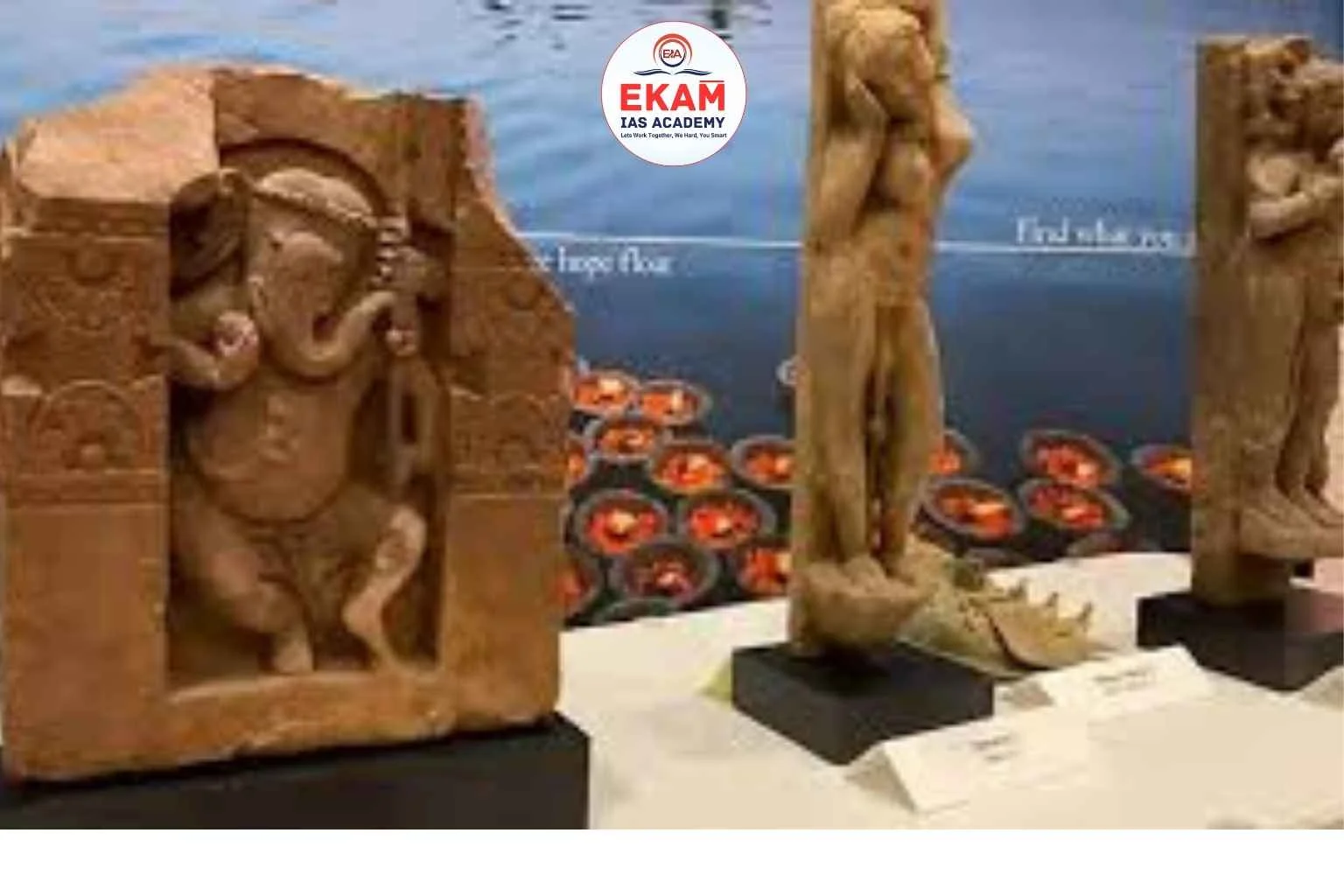
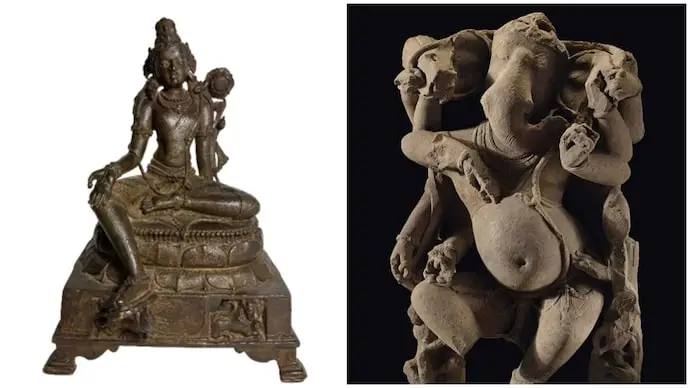
The United States has recently returned over 650 trafficked antiquities to India, valued at around $14 million, following long-term investigations. This topic is important for aspirants preparing through IAS coaching in Hyderabad, UPSC coaching in Hyderabad, and UPSC online coaching.
Issue of Antiquities Trafficking in India
1. Causes of Trafficking
High Global Demand:
• Strong demand for Indian idols, temple sculptures, and artefacts in Western art markets and private collections.
• Auction houses and collectors often pay very high prices, incentivising theft.
Weak Security at Heritage Sites:
• Many temples and archaeological sites lack adequate surveillance and guards.
• Remote and rural locations make sites easy targets for theft.
Poor Documentation and Inventory:
• Absence of a comprehensive digital record of artefacts.
• Difficulty in proving ownership or tracing stolen items due to missing provenance data.
Organised Criminal Networks:
• Involvement of international smuggling syndicates with local agents.
• Use of intermediaries, dealers, and fake exporters to create complex trafficking chains.
2. Modus Operandi
Theft and Illegal Removal:
• Artefacts stolen from temples, museums, and excavation sites, often replaced with replicas.
• Targeting of less-guarded heritage locations.
Forgery and Fake Documentation:
• Creation of fake ownership records and export permits.
• Mislabeling artefacts as modern handicrafts to bypass checks.
International Smuggling Routes:
• Smuggling through multiple transit countries to hide origin.
• Use of shipping containers, courier services, and diplomatic loopholes in some cases.
Sale in Global Markets:
• Sold through auction houses, galleries, and private collectors.
• Artefacts often get legal cover abroad due to lack of immediate claims.
Legal and Institutional Framework
- Domestic Laws
- Antiquities and Art Treasures Act, 1972:
- Defines antiquities (objects over 100 years old).
- Mandates registration of artefacts with authorities.
- Prohibits export without government permission.
- Provides for licensing of dealers and penalties for violations.
- Indian Penal Code (IPC) / Bharatiya Nyaya Sanhita (BNS):
- Covers offences like theft (Section 378 IPC) and criminal breach of trust.
- Penalises smuggling and illegal trade of cultural property.
- Customs Act, 1962:
- Regulates illegal export/import of goods, including antiquities.
- International Conventions
- UNESCO Convention, 1970:
- Aims to prevent illicit import, export, and transfer of ownership of cultural property.
- Encourages countries to return stolen artefacts and cooperate in investigations.
- UNIDROIT Convention, 1995:
- Provides legal framework for restitution of stolen or illegally exported objects.
- Emphasises due diligence by buyers and return of stolen artefacts.
Significance of Artefact Repatriation
1. Cultural Restoration
• Reclaims India’s historical and civilizational heritage.
• Strengthens national identity and pride.
2. Diplomatic Success
• Reflects growing international cooperation.
• Enhances India’s image as a responsible cultural stakeholder.
3. Deterrence Against Smuggling
• Sends a strong message to illegal traffickers.
• Increases risk for art theft networks.
4. Boost to Research and Tourism
• Returned artefacts support academic research.
• Enhance museum collections and tourism appeal.
Challenges
• Identification and Documentation: Many artefacts lack proper records or provenance history.
• Legal Complexities: Lengthy litigation and ownership disputes.
• Global Art Market: Continued demand in international black markets.
• Limited Institutional Capacity: Need for better technology and trained personnel.
Way Forward
• Strengthen Documentation: Create a comprehensive digital database of artefacts.
• Enhance Security: Use technology (CCTV, AI tracking) at heritage sites.
• International Cooperation: Strengthen bilateral agreements for faster repatriation.
• Public Awareness: Promote awareness about heritage protection.
Conclusion
The return of trafficked artefacts marks a crucial step in restoring India’s cultural legacy, but sustained efforts are needed to prevent future losses and protect heritage. For aspirants using IAS coaching and civils coaching in Hyderabad, this topic is highly relevant for GS2 International Relations and Culture.
This topic is available in detail on our main website.