
India’s biomaterials sector is expanding, with major investments like Balrampur Chini Mills’ PLA plant, reflecting efforts to cut fossil-based imports and promote sustainability—an emerging GS-III theme frequently discussed in UPSC coaching in Hyderabad.
What are Biomaterials?
- Materials made from biological sources or engineered using biological processes.
- Uses: Found in packaging, textiles, construction, and healthcare.
- Types:
- Drop-in biomaterials: Chemically identical to petroleum-based materials (e.g., bio-PET).
- Drop-out biomaterials: Chemically different, needing new processing systems (e.g., PLA).
- Novel biomaterials: Offer unique properties like self-healing, bioactive implants, and advanced composites.

Why India Needs Biomaterials
- Reduce reliance on fossil-based imports for plastics and chemicals.
- Provide new income streams for farmers by utilising crop residues and agricultural feedstocks.
- Align with climate commitments and bans on single-use plastics.
- Strengthen India’s competitiveness in global markets shifting toward low-carbon products—an issue emphasised in IAS coaching.
Current Status in India
- Market Size: Bioplastics valued at $500 million in 2024, expected to grow rapidly.
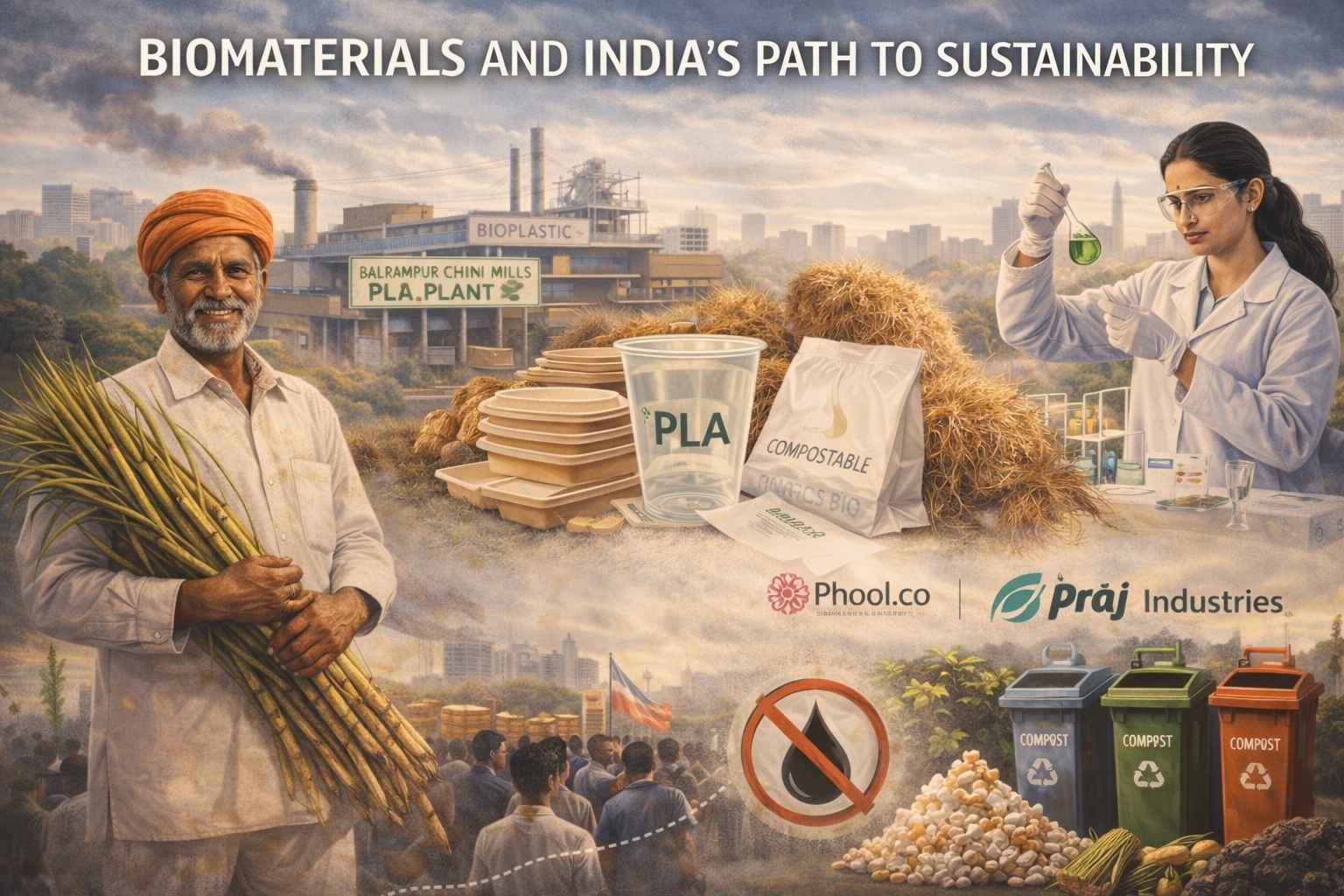
- Investments: Balrampur Chini Mills’ PLA plant in Uttar Pradesh is a major step.
- Innovation: Startups like Phool.co (flower waste biomaterials) and Praj Industries (bioplastics plant).
- Challenges: Dependence on foreign technology for converting feedstocks into final products.
Way Forward
- Expand biomanufacturing infrastructure, including fermentation and polymerisation facilities.
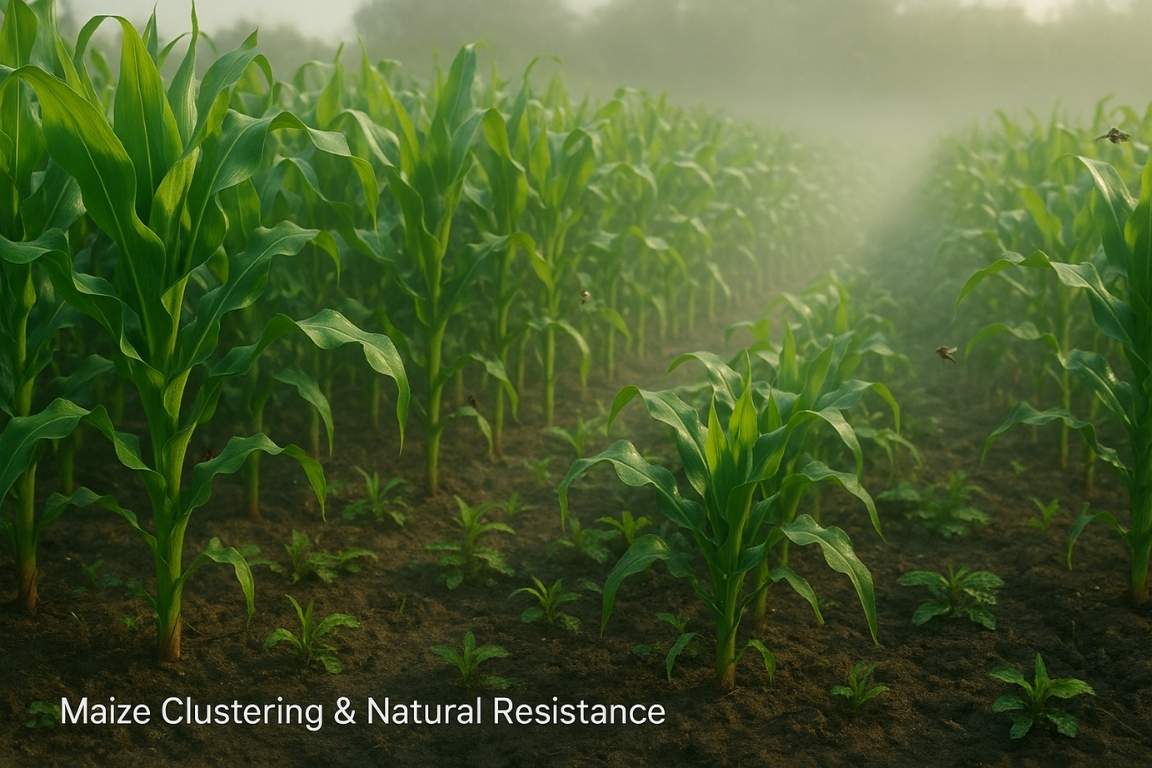
- Improve feedstock productivity in crops such as sugarcane and maize.
- Invest in R&D and standard-setting for drop-in as well as novel biomaterials.
- Strengthen waste management and composting systems to realise full environmental benefits.
- Provide government incentives, pilot plants, and public procurement support to encourage adoption.
- Establish clear regulations and labelling norms to enhance consumer trust—often highlighted in civils coaching in Hyderabad.
Conclusion
Biomaterials are not just an environmental solution but a strategic industrial opportunity for India. By scaling innovation, ensuring policy coordination, and reducing reliance on imports, India can transform its agricultural strength into a sustainable biomaterials industry, securing both economic growth and ecological resilience.
This topic is available in detail on our main website.