
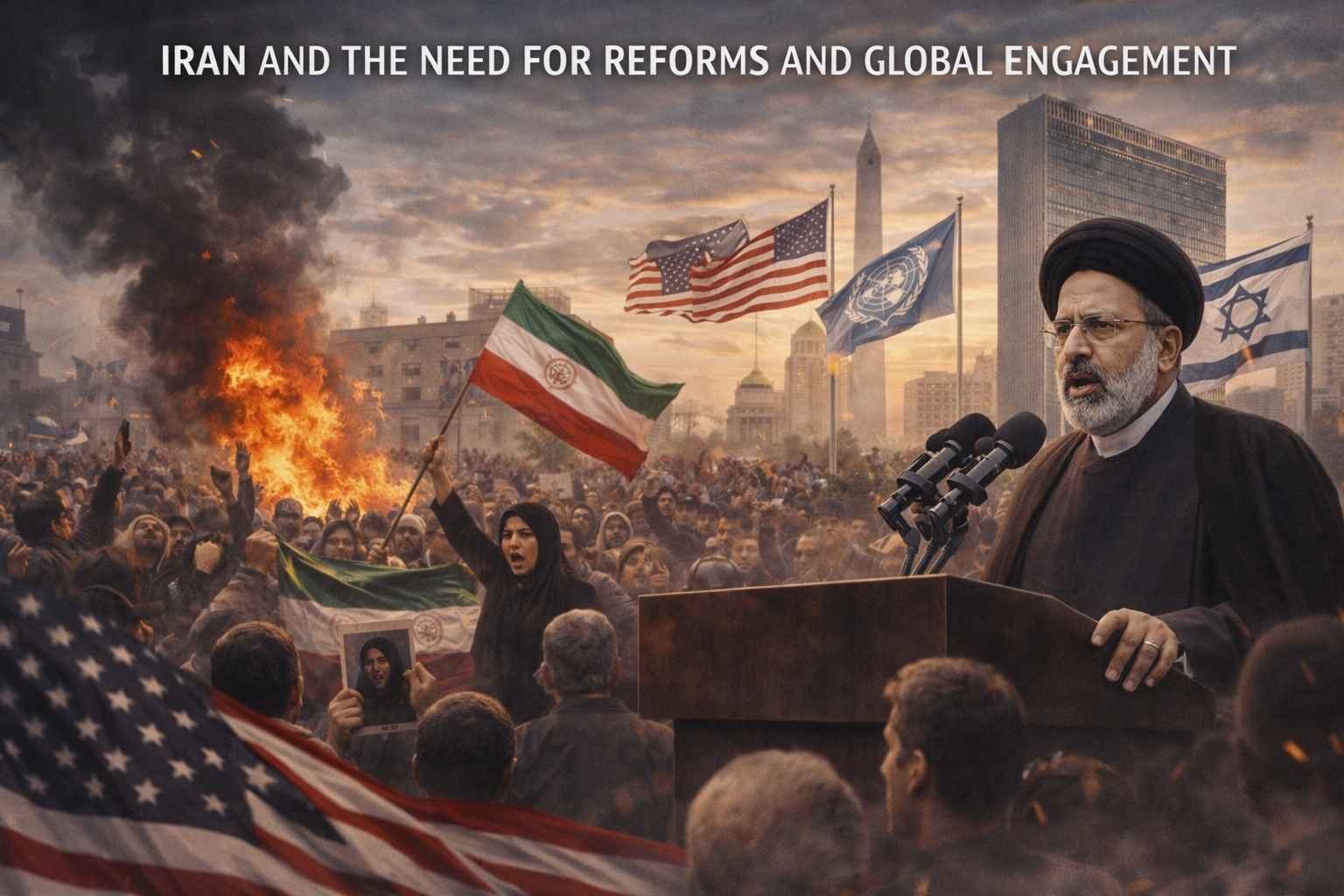
Iran is witnessing its largest nationwide protests since the 2022–23 Mahsa Amini unrest, triggered by economic collapse and political repression. The crisis has intensified after foreign involvement claims and threats of military action, making it a critical contemporary issue for aspirants preparing through UPSC coaching in Hyderabad.
Background
- Protests began on December 28, 2025, with shopkeepers in Tehran striking against the sharp fall of the Iranian rial.
- Demonstrations have spread nationwide, leaving at least 12 people dead in a week.
- The unrest comes just six months after Iran’s 12-day war with Israel, worsening economic and political instability.
- Foreign involvement is suspected: Israel’s Mossad claimed its operatives were present, while U.S. President Donald Trump warned Iran of military retaliation if protesters were harmed.
Economic Challenges
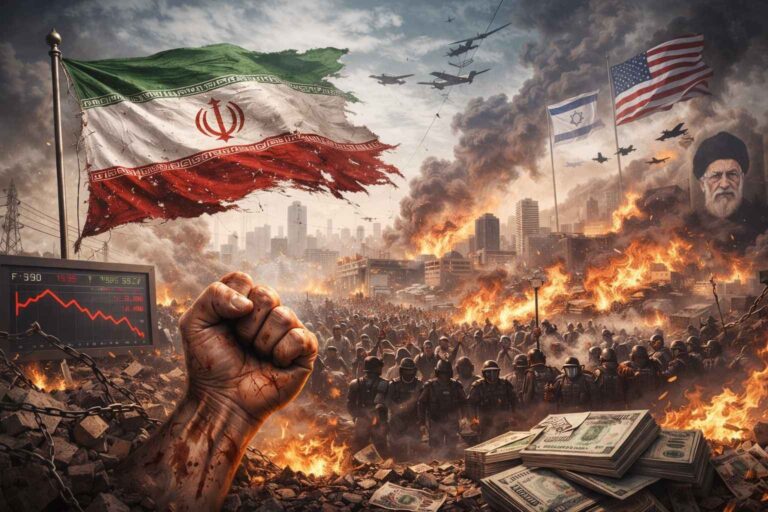
- Currency Collapse: The rial has lost nearly 60% of its value since the June war.
- Inflation: Food inflation reached 64% in October, second highest globally after South Sudan.
- Oil Exports: Declined by 7% in 2025 compared to 2024.
- Power Shortages: Daily electricity cuts have become routine.
- Government Admission: President Masoud Pezeshkian acknowledged his administration was “stuck” and unable to deliver quick solutions.
Political and Social Dimensions
- Repression Cycle: Economic decline and external threats have led to harsher crackdowns on dissent.
- Partial Reforms: Pezeshkian eased morality police restrictions but remains constrained on economic and security issues.
- Public Anger: Years of shrinking opportunities and curbs on freedoms have created deep frustration.
- Regime’s Response: Authorities often blame foreign powers, ignoring internal governance failures—an analytical dimension frequently discussed in IAS coaching.
International Context
- U.S. Policy: Economic sanctions and threats worsen hardships for ordinary Iranians while fuelling regime paranoia.
- Global Engagement: Analysts argue Washington should support reformist leadership instead of escalating tensions.
- Need for Diplomacy: Iran must re-engage with the world to stabilise its economy and reduce isolation.
Way Forward
- Initiate economic reforms and tackle corruption to restore public trust.
- Expand political freedoms and reduce repression to ease domestic anger.
- Rebuild international relations to attract investment and stabilise trade.
- Encourage dialogue with reformist leadership rather than external threats.
Conclusion
Iran’s leadership faces a stark choice: continue down the path of repression and economic collapse, or embrace reforms and reconnect with the world. Religion and nationalism alone cannot contain the fury of a population battered by inflation, unemployment, and shrinking freedoms. Without bold reforms and genuine global engagement, the regime risks being consumed by its own crisis—an insight vital for aspirants preparing through UPSC online coaching.
This topic is available in detail on our main website.