
Recent analyses have highlighted that India’s flagship social pension programme, the Indira Gandhi National Old Age Pension Scheme (IGNOAPS), has not kept pace with inflation and rising living costs. This topic is important for aspirants preparing for GS3 Economy and social security-related issues through civils coaching in Hyderabad.
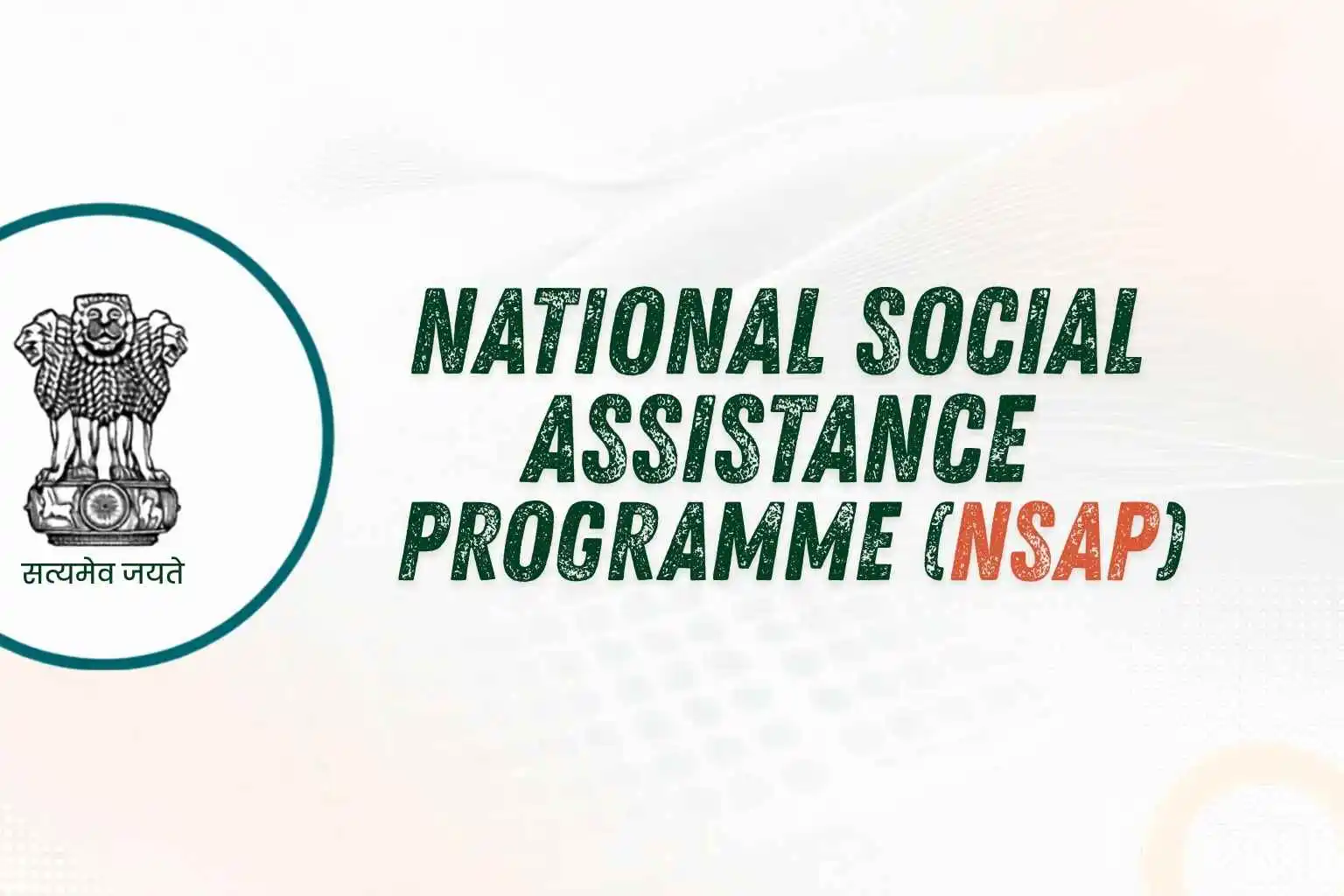
National Social Assistance Programme (NSAP)
• The National Social Assistance Programme (NSAP) was launched in 1995 by the Ministry of Rural Development.
• It provides social assistance to vulnerable groups.
• It covers elderly persons, widows, and persons with disabilities.
Indira Gandhi National Old Age Pension Scheme (IGNOAPS)
• It is a major component of NSAP.
• Eligibility: Persons aged 60 years and above belonging to Below Poverty Line (BPL) households.
• Central Assistance: ₹200 per month for persons aged 60–79 years and ₹500 per month for persons aged 80 years and above.
Issues in India’s Pension System
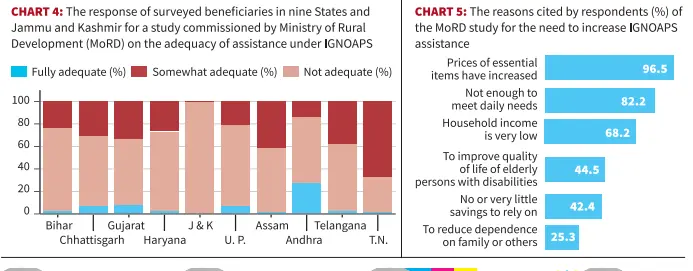
• Inadequate Pension Amount: A pension of ₹200 today provides only a fraction of its earlier purchasing power.
• Limited Coverage: India’s elderly population exceeds 15 crore and is projected to rise substantially by 2050. Yet, only a small proportion of elderly citizens receive social pensions.
• Dependence on State Governments: States often provide additional pension support. States like Goa, Delhi, Rajasthan, Odisha, and Chhattisgarh provide higher assistance.
• Targeting and Identification Issues: Dependence on outdated BPL lists excludes deserving beneficiaries, while errors in beneficiary identification reduce programme effectiveness.
Importance of Social Pensions
• Social Security: Provides minimum income support and reduces vulnerability among elderly citizens.
• Poverty Reduction: Supports consumption of food, medicines, and essential services, helping prevent extreme deprivation.
• Women’s Empowerment: Particularly important for widows and elderly women lacking independent income.
• Inclusive Development: Contributes to achieving SDG 1, No Poverty, and SDG 10, Reduced Inequalities.
Recent Good Practices
• Odisha: Expanded social pension coverage through the Madhu Babu Pension Yojana.
• Rajasthan: Provides higher pension amounts with periodic revisions.
• Goa: Offers one of the highest old-age pension benefits in the country.
Way Forward
• Periodic Revision: Regularly update pension amounts and index them to inflation.
• Expand Coverage: Move beyond restrictive BPL criteria to include all vulnerable elderly.
• Use Modern Databases: Employ updated socio-economic datasets for accurate beneficiary identification.
• Strengthen DBT: Enhance Direct Benefit Transfer systems for efficient delivery.
Conclusion
As India moves towards an ageing society, strengthening pension coverage and ensuring adequate income support will be essential to protect elderly citizens and promote inclusive social security.