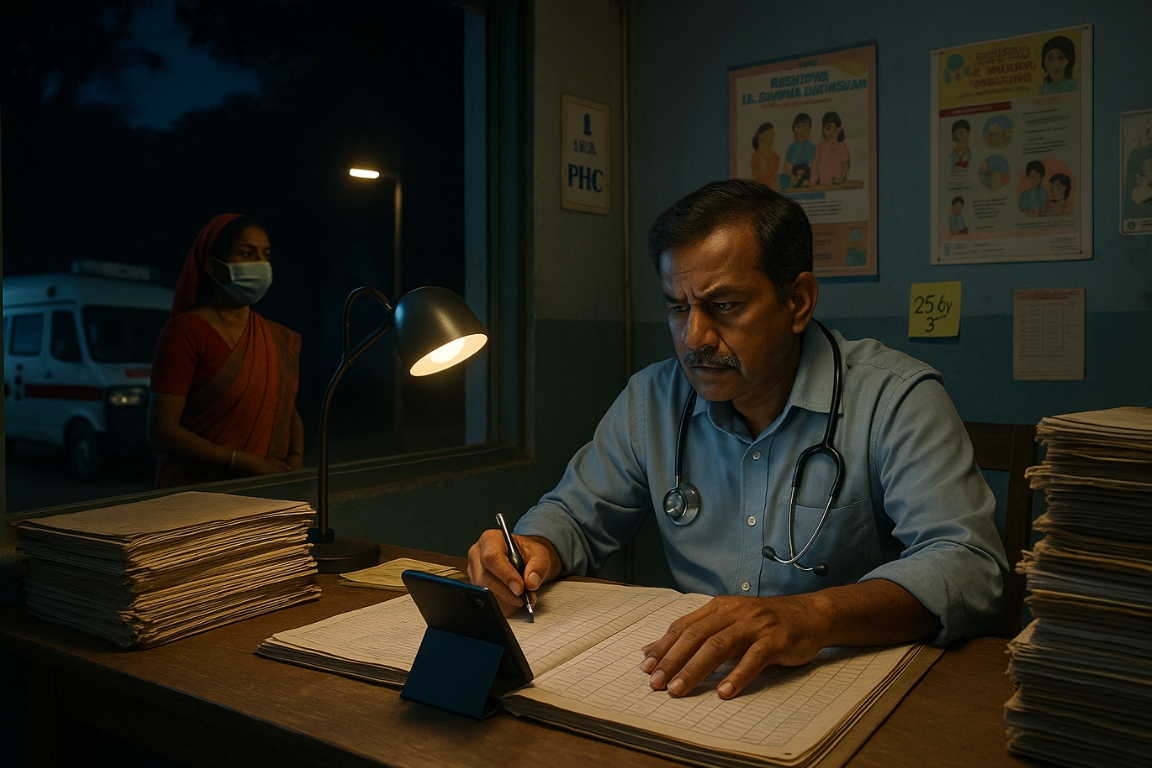

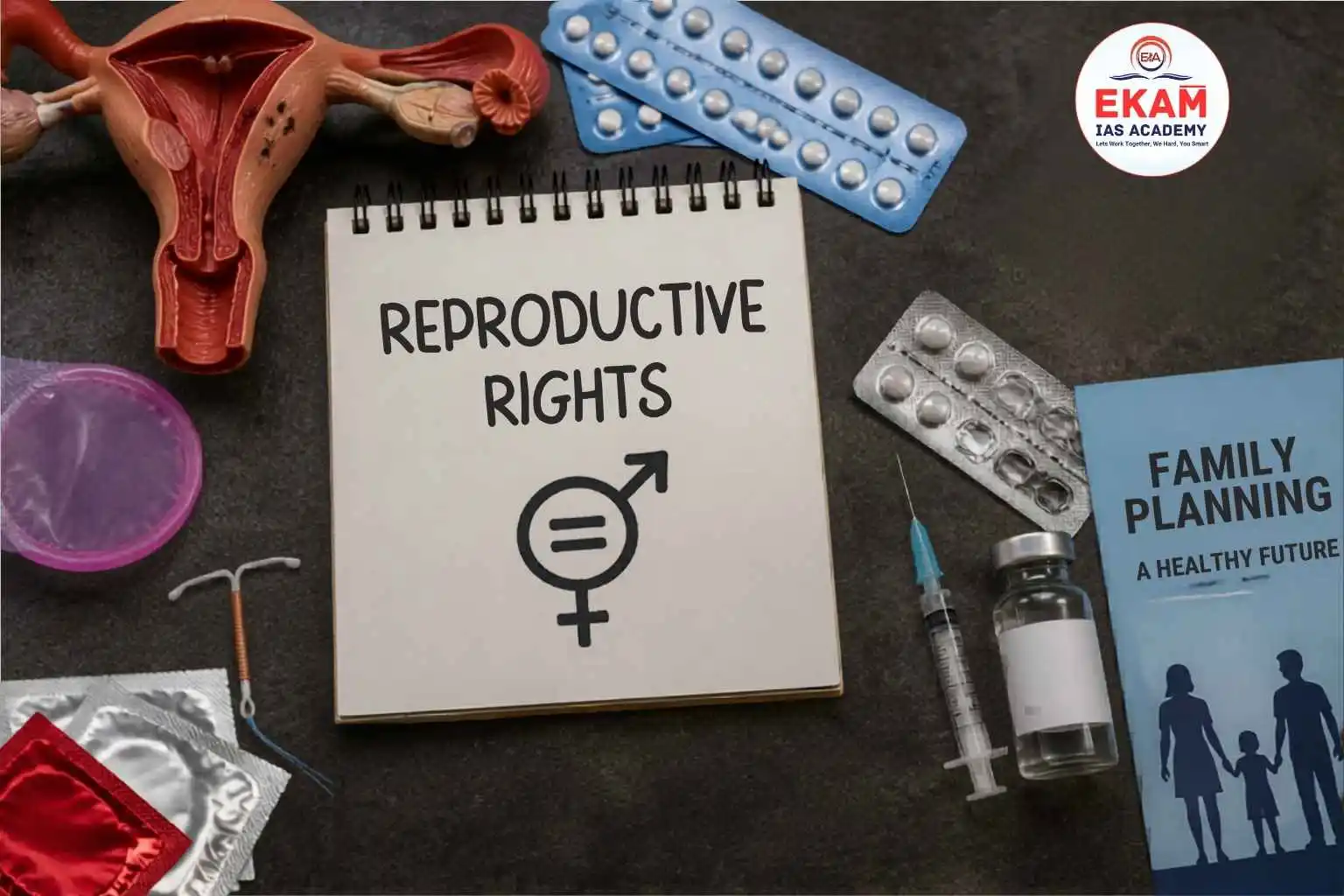
India’s family planning approach is under discussion as female sterilisation continues to dominate contraceptive use, raising concerns about reproductive rights, gender equity, and the need for diversified methods. This topic is important for aspirants preparing for GS2 Polity and health policy-related issues through IAS coaching in Hyderabad.
Reproductive Rights & Contraception in India
• Family Planning Programme: India launched the world’s first official family planning programme in 1952. Despite decades of effort, contraceptive use remains skewed.
• Current Scenario: According to NFHS 5 (2019–21), female sterilisation accounts for 36% of contraceptive use nationally, while male sterilisation is below 1%. Rural areas show higher reliance on sterilisation compared to urban centres.
• Policy Concern: Heavy dependence on women reflects structural gender imbalance. India’s contraceptive basket remains narrow, with limited access to modern methods like pills, IUDs, and injectables.
Implications
• Social: Reinforces gender stereotypes, limiting women’s autonomy in reproductive decisions.
• Economic: Women’s health issues reduce productivity; WHO estimates India loses 6% of GDP annually due to poor female health outcomes.
• Policy: Overdependence on sterilisation undermines commitments to SDG 5 (Gender Equality) and SDG 3 (Health & Well Being).
• Demographic: Skewed contraceptive practices may distort fertility trends and population balance, especially in high fertility states.
Key Issues
• Gender Burden: Women disproportionately bear responsibility — over 80% of contraceptive users are female, while male participation is negligible.
• Limited Choices: Access to modern contraceptives is uneven; condom use is only 9% nationally, and awareness of emergency contraception remains low.
• Health Risks: Sterilisation procedures carry risks; NFHS 5 data shows 1 in 5 women reported lack of informed consent during sterilisation.
• Awareness Gap: Rural communities face limited counselling — only 54% of women were informed about side effects of chosen methods (NFHS 5).
Relevant Examples
• NFHS 5 Data: Sterilisation remains dominant; male sterilisation negligible at 0.3%.
• NITI Aayog Reports: Recommend expanding the contraceptive basket and improving awareness campaigns.
• WHO Guidelines: Stress informed choice, equal responsibility, and safe access to diverse contraceptive methods.
Way Forward
• Promote Male Participation: Incentivise male sterilisation and condom use; currently less than 1% men opt for sterilisation.
• Expand Modern Contraceptives: Ensure wider availability of pills, injectables, and IUDs through public health centres.
• Strengthen Counselling: Train ASHA workers and health staff to provide informed guidance; only 54% women currently receive counselling (NFHS 5).
• Ensure Consent & Safety: Mandate strict protocols for sterilisation procedures to avoid coercion and health risks.
• Integrate Rights with Empowerment: Link reproductive rights with women’s empowerment policies to achieve gender equity and dignity in family planning.
Conclusion
India’s reproductive health strategy must move beyond sterilisation to ensure choice, equality, and dignity in family planning, safeguarding reproductive rights and promoting gender equity.