

The Ministry of Health and Family Welfare has approved the Biovigilance Programme of India 2026 to strengthen safety monitoring in transplantation.
About the Programme
- The Biovigilance Programme of India will monitor, identify and help prevent adverse events arising from medicines and biological products used during transplantation.
- The Biovigilance Programme India covers products administered to both donors and recipients, strengthening Biological Safety Monitoring India throughout the transplantation process.
- The Indian Pharmacopoeia Commission (IPC) will lead its implementation.
- The IPC is an autonomous institution under the Ministry of Health and Family Welfare responsible for establishing standards for medicines manufactured, sold and consumed in India.
- The programme strengthens Biologics Safety in India and contributes to improved Biological Products Regulation India.
Importance
- Patient safety: Early detection of adverse reactions associated with Adverse Events of Biological Products can reduce complications and improve transplant outcomes.
- Evidence-based regulation: Systematic reporting can generate safety data for better regulatory decisions and strengthen Biopharmaceutical Safety India.
- Public confidence: Strong monitoring mechanisms can improve trust in transplantation and related medical procedures.
- Integrated health surveillance: It expands India’s Pharmacovigilance and Biovigilance framework to cover specialised transplantation-related risks.
- Biosafety and Biotechnology India: The programme strengthens safety oversight of biological products within India’s expanding biotechnology and healthcare ecosystem.
Complementary Programmes
- Pharmacovigilance Programme of India (PvPI): Monitors adverse drug reactions and medicine-related safety concerns.
- Materiovigilance Programme of India (MvPI): Monitors adverse events associated with medical devices.
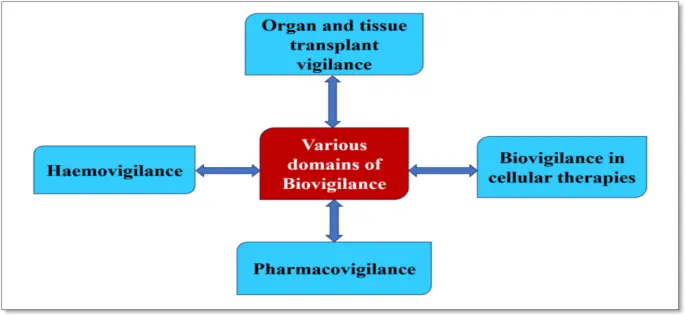
- Biovigilance Programme: Adds focused surveillance of medicines and biological products used in organ and tissue transplantation.
- Together, these programmes create a broader safety-monitoring framework covering medicines, medical devices and biological products.
Way Forward
- Promote standardised reporting across transplant centres.
- Train healthcare professionals to identify and report adverse events promptly.
- Use digital databases and data analytics for early safety signals.
- Strengthen coordination among transplant hospitals, regulators and public-health institutions.
- Improve Vaccine Safety Monitoring India and related biological-product surveillance mechanisms through stronger reporting and data systems.
Conclusion
Biovigilance can strengthen India’s transplantation ecosystem by combining patient safety, scientific evidence and responsive health regulation. The Biovigilance Programme UPSC topic is relevant for understanding biotechnology, healthcare regulation and Biovigilance Current Affairs under GS3.