
Why in News?
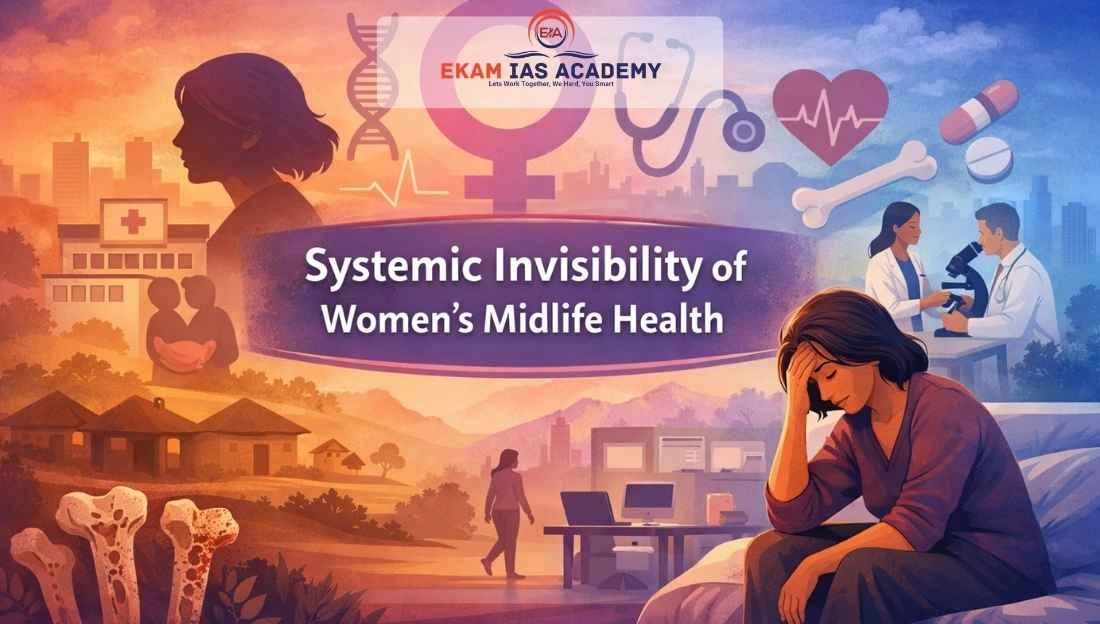
The issue of neglect of women’s midlife health, particularly during perimenopause and menopause, has been highlighted in recent discussions on gender-sensitive healthcare — a topic often analysed in UPSC coaching in Hyderabad under social justice and public health governance.
What is Midlife Health?
• Refers to the health conditions experienced by women roughly between 40–60 years.
• It includes the transition stages of:
• Perimenopause – the period before menopause when hormonal changes begin.
• Menopause – the end of menstrual cycles due to declining reproductive hormones.
• Post-menopause – the phase after menopause when long-term health risks may increase.
Major Health Issues
Women in this stage may experience:
• Hot flashes, fatigue, sleep disturbances
• Mood disorders such as anxiety and depression
• Bone density loss leading to osteoporosis
• Higher risk of cardiovascular disease and diabetes
Decline in oestrogen levels during menopause can increase the risk of chronic diseases such as heart disease, hypertension, and osteoporosis.
Why Midlife Women’s Health Remains Invisible
1. Policy Focus on Reproductive Health
• Government programmes mainly target maternal and child health.
• Health schemes like Janani Suraksha Yojana and POSHAN Abhiyaan prioritize pregnancy and nutrition but rarely address midlife conditions.
2. Social Stigma and Cultural Silence
• Menopause and ageing are often taboo subjects in many societies.
• Many women feel uncomfortable discussing symptoms even with family or doctors.
3. Limited Medical Research
• Medical studies often focus on younger women and reproductive health.
• As a result, clinical guidelines and awareness about menopause remain limited.
4. Healthcare System Gaps
• In India, healthcare infrastructure is uneven and concentrated in urban areas, limiting access for many women.
• Midlife women often receive delayed diagnosis and inadequate treatment.
5. Gender Bias in Healthcare
• Women’s symptoms are sometimes dismissed as normal ageing instead of being treated medically.
• Gender disparities in healthcare access further worsen the problem — an issue frequently discussed in IAS coaching in Hyderabad while analysing gender justice.
Implications of Ignoring Midlife Health
1. Public Health Impact
• Women may spend many years living with untreated chronic diseases.
• Studies indicate that menopause-related health problems can significantly affect quality of life and well-being.
2. Economic Consequences
• Women in their 40s and 50s often hold key roles in the workforce and family.
• Poor health during this stage may reduce productivity and economic participation.
3. Gender Inequality
• Lack of support reinforces gender disparities in healthcare and workplace policies.
• Women may leave jobs or reduce participation due to untreated symptoms.
Global Trends and Emerging Responses
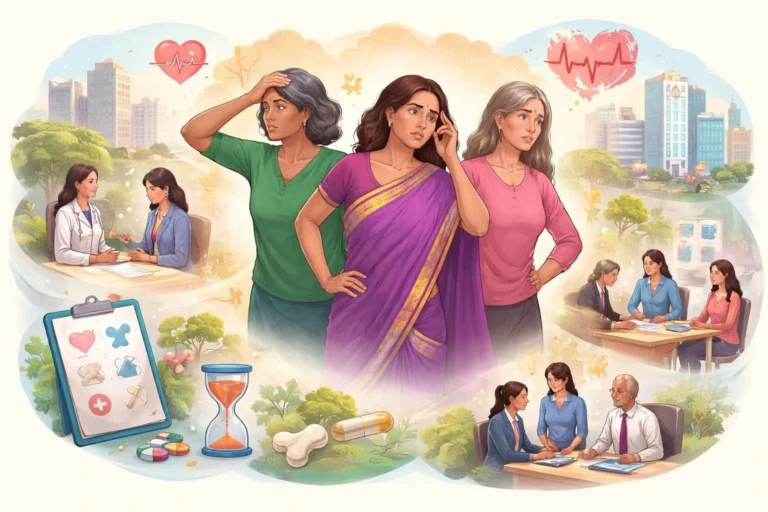
Several countries have started recognizing menopause and midlife health as an important public health and workplace issue.
Examples:
- United Kingdom – Many organizations have introduced menopause workplace policies, flexible work options, and awareness training to support women employees.
- Japan – The government and companies provide health consultations and workplace support programmes for women experiencing menopausal symptoms.
- Australia – National health guidelines promote menopause awareness campaigns and specialized healthcare services for midlife women.
United States – Growing emphasis on medical research, digital health platforms, and workplace health benefits related to menopause care.
Way Forward
1. Integrate Midlife Health into Public Health Policy
• Include menopause care in national health programmes.
2. Improve Research and Data
• Encourage medical research and gender-sensitive health data on midlife women.
3. Strengthen Primary Healthcare
• Provide screening for osteoporosis, cardiovascular diseases, and mental health issues in women over 40.
4. Workplace Support
• Introduce flexible work policies and health support systems for women experiencing menopause.
5. Awareness and Education
• Promote public awareness campaigns to reduce stigma and encourage women to seek medical help — initiatives often discussed in UPSC online coaching for GS2 social justice topics.
Conclusion
Recognizing women’s midlife health as a major public health issue is essential for building a gender-responsive healthcare system. Integrating awareness, research, and targeted health services will ensure that women remain healthy and productive throughout their lives — a concern widely discussed in civils coaching in Hyderabad while studying inclusive development and healthcare governance.
This topic is available in detail on our main website.