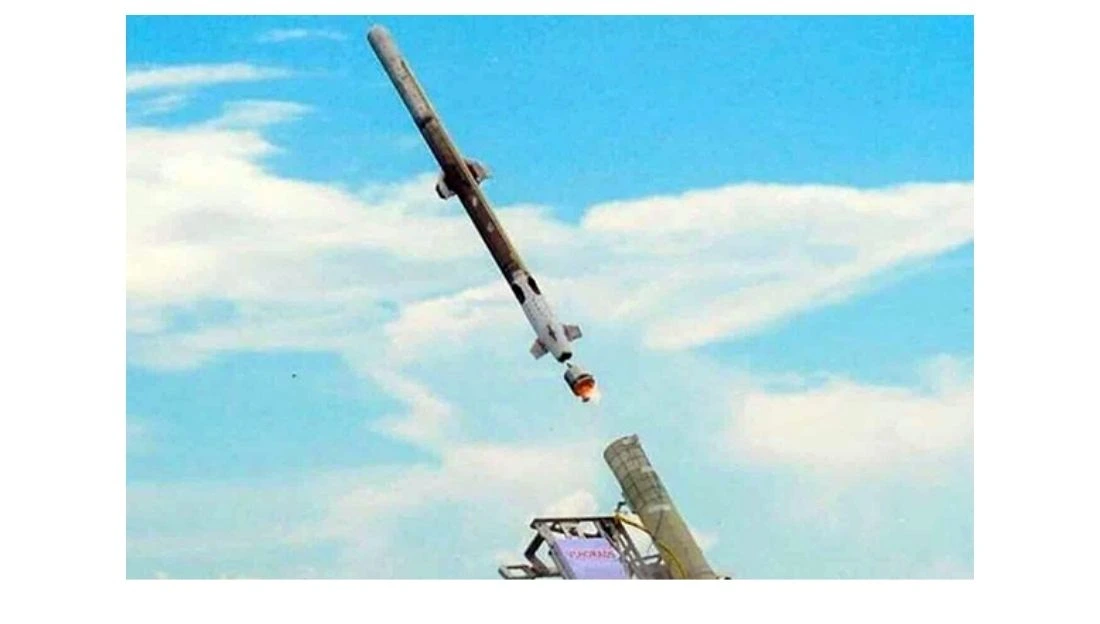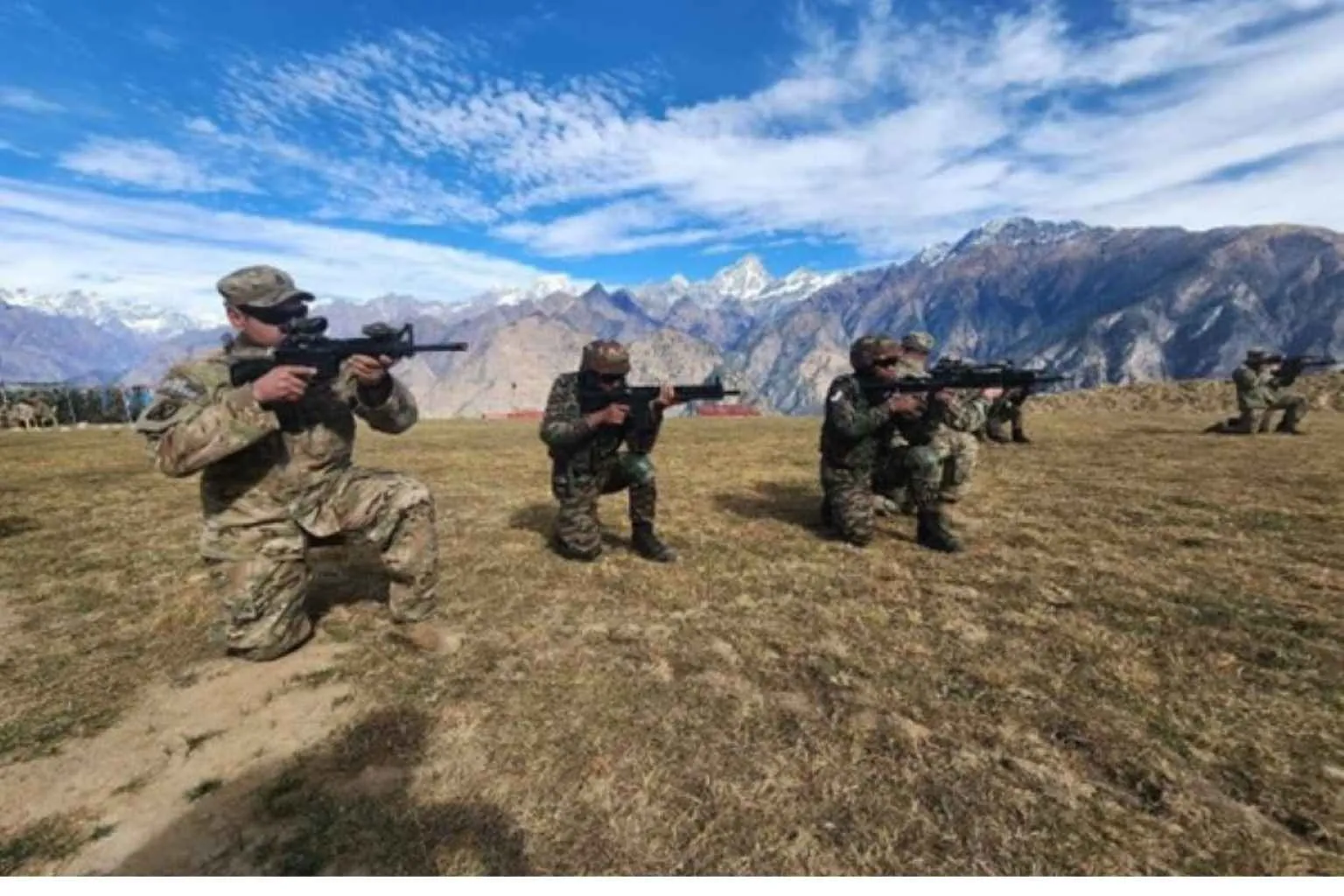

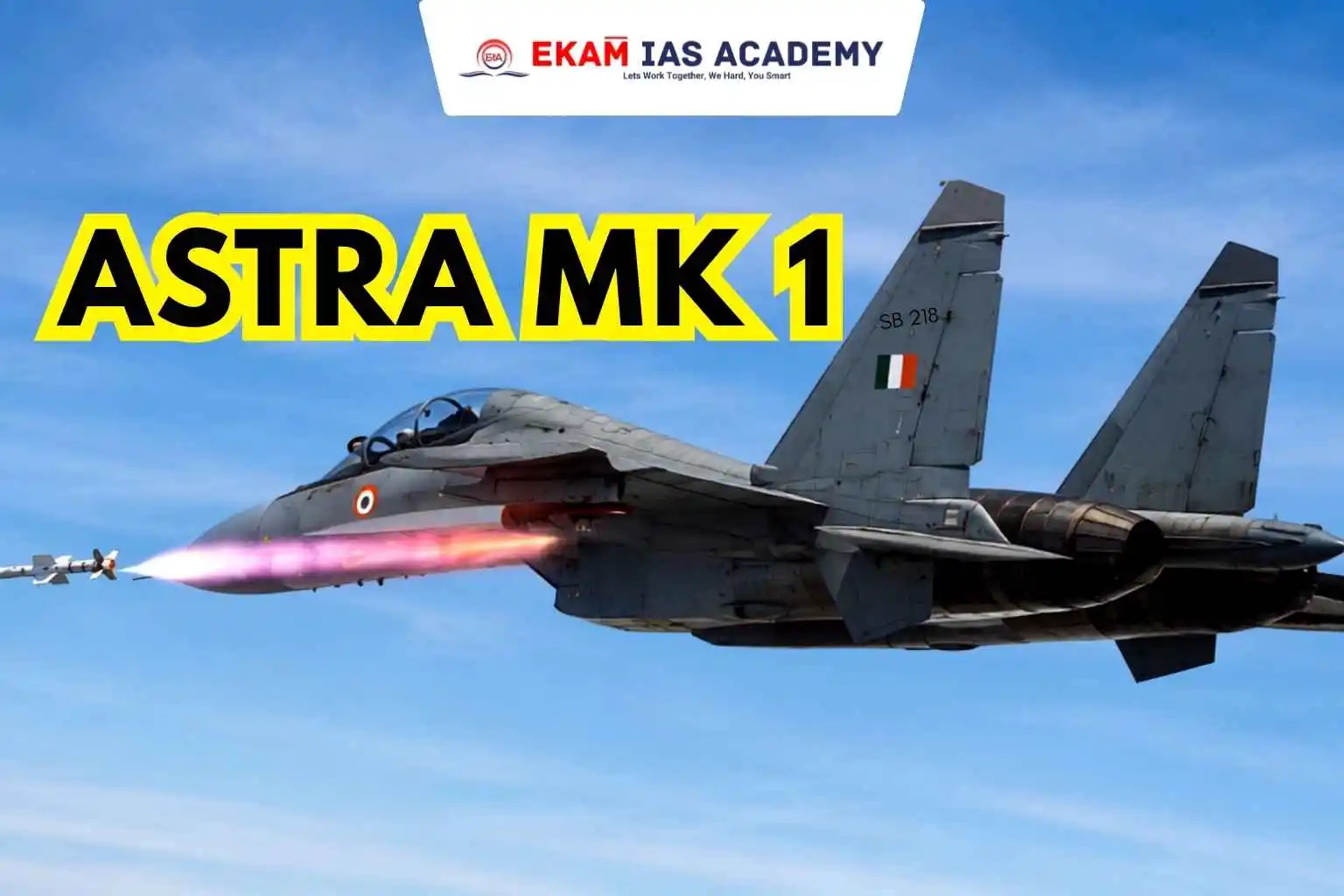
India and Indonesia have signed a defence deal for the supply of Astra Mk 1 missiles, marking a new step in India’s defence exports and strategic cooperation in the Indo-Pacific. This topic is important for aspirants preparing for GS3 Security and defence technology through upsc coaching in Hyderabad.
About Astra Mk 1
• Indigenous Origin: Developed by DRDO.
• Type: Beyond Visual Range Air-to-Air Missile (BVRAAM).
• Users: Integrated with the Indian Air Force (IAF) and Indian Navy.
Features
• Range: 80–110 km; altitude up to 20 km.
• Speed: Mach 4.5 (4.5 times speed of sound).
• Guidance: Inertial navigation, mid-course updates, terminal active radar homing.
• Propulsion: Single pulse smokeless solid fuel motor.
• Variants: Astra Mk 2 with extended range of ~200 km under development.
Integration with Platforms
• Already deployed on Sukhoi 30 MKI fighters.
• Planned integration with Tejas Mk 1 (LCA) and Rafale jets.
• Enhances India’s air dominance capability in contested airspaces.
Strategic Importance
• Strengthens self-reliance in defence technology under Atmanirbhar Bharat.
• Boosts India’s defence exports, aligning with Make in India policy.
• Enhances regional security cooperation with partners like Indonesia.
• Provides India with a credible deterrent against adversaries in the Indo-Pacific.
• Comparable to global BVRAAMs like AMRAAM (USA) and Meteor (Europe).
Conclusion
The Astra Mk 1 exemplifies India’s progress in indigenous missile technology, reinforcing both national security and defence diplomacy in the Indo-Pacific.