
Why in News?
Cases of Human Metapneumovirus (HMPV) have reportedly increased in parts of the United States, raising concern among public health authorities — a public health development often analysed in UPSC coaching in Hyderabad while studying emerging infectious diseases.
About Human Metapneumovirus
Human Metapneumovirus (HMPV) is a respiratory virus that usually produces symptoms similar to the common cold or influenza. The virus was first identified in 2001 by Dutch scientists.
Key Characteristics
• Family: Pneumoviridae
• Type: RNA virus
• Target System: Respiratory tract
Scientific studies suggest that approximately 10–12 percent of respiratory illnesses in children may be associated with HMPV infection, a topic often discussed in IAS coaching in Hyderabad while preparing health-related current affairs for UPSC.
Transmission of HMPV
• Respiratory Droplets: The virus spreads through droplets released when an infected person coughs or sneezes.
• Close Physical Contact: Transmission may occur during direct physical contact such as handshakes, hugging, or caring for infected individuals.
• Contaminated Surfaces: Infection can occur when a person touches contaminated surfaces and then touches the eyes, nose, or mouth.
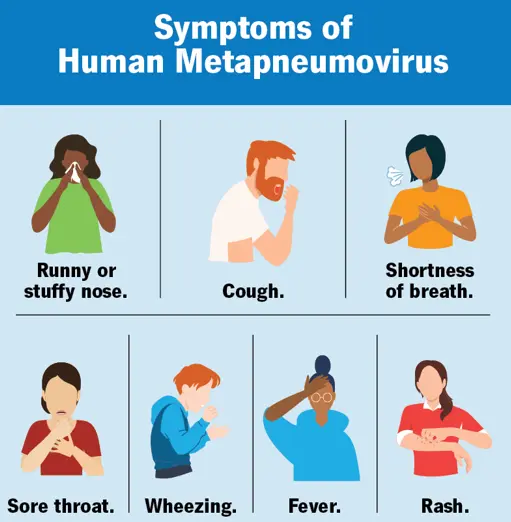
High-Risk Groups
Some individuals are more vulnerable to severe illness caused by the virus.
These groups include:
• Infants and young children
• Older adults
• People with weakened immune systems
• Patients with chronic respiratory diseases such as asthma or COPD
Diagnosis and Treatment
Diagnosis
Doctors diagnose HMPV infection through laboratory tests such as Polymerase Chain Reaction (PCR) tests or respiratory virus panels.
Treatment
At present, no specific antiviral drug or vaccine is available for HMPV.
Treatment mainly focuses on supportive care, including:
• Managing fever and cough
• Ensuring proper hydration and rest
• Providing medical treatment in severe cases requiring hospitalization
Prevention Measures
• Regular handwashing with soap
• Avoiding close contact with infected individuals
• Maintaining respiratory hygiene
• Using masks during outbreaks or in crowded places
These preventive measures and emerging infectious diseases are frequently discussed in UPSC online coaching and civils coaching in Hyderabad while preparing for GS2 health and public policy topics.
This topic is available in detail on our main website.