
Why in News?
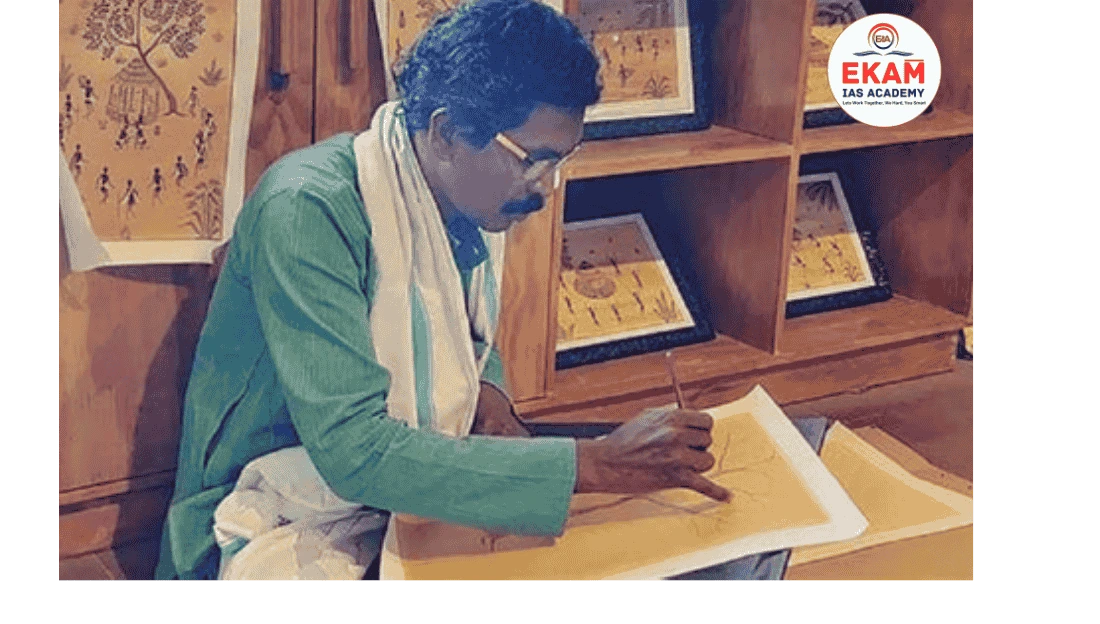
The traditional Kurumba painting art of the Nilgiris is facing the risk of extinction due to a decline in practicing artists — a cultural heritage issue often discussed in UPSC coaching in Hyderabad while preparing art and culture topics for the civil services examination.
Origins and Historical Background
• The art form has roots dating back more than 3,000 years.
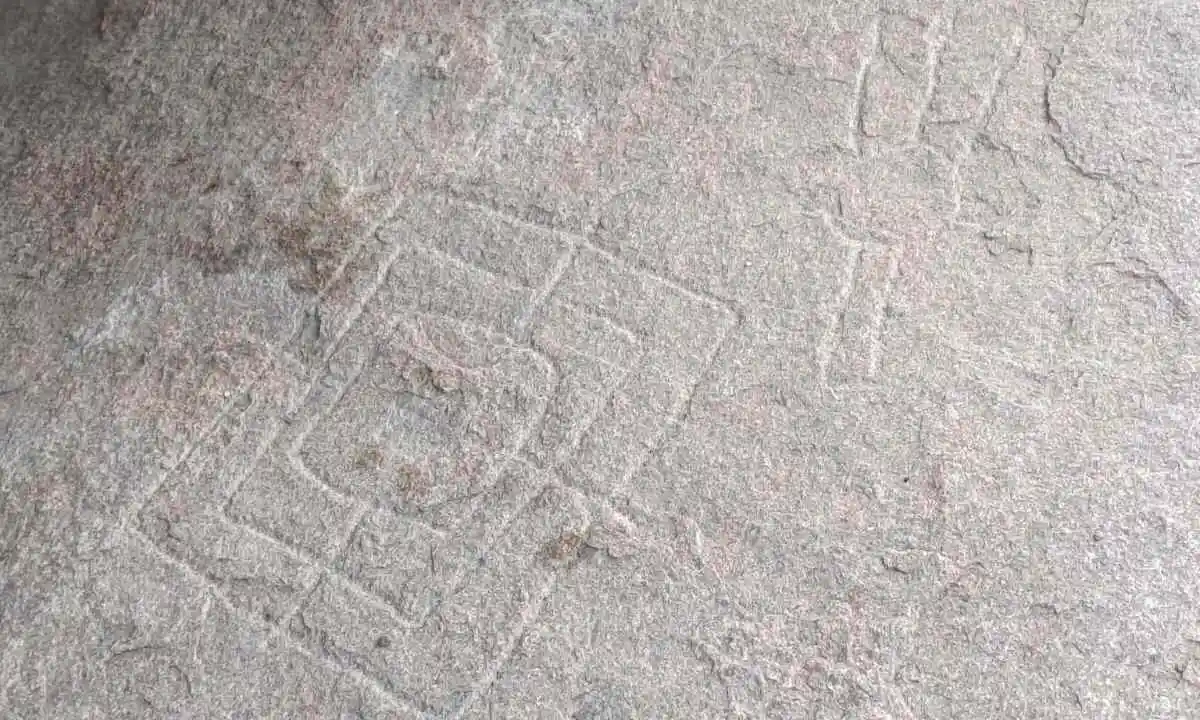
• It is believed to be connected to prehistoric rock art found at sites like Ezhuthupaarai in the Nilgiris.
• Traditionally, these paintings were created on walls of houses and temples during festivals or ceremonies.
Characteristics of Kurumba Paintings
1. Themes
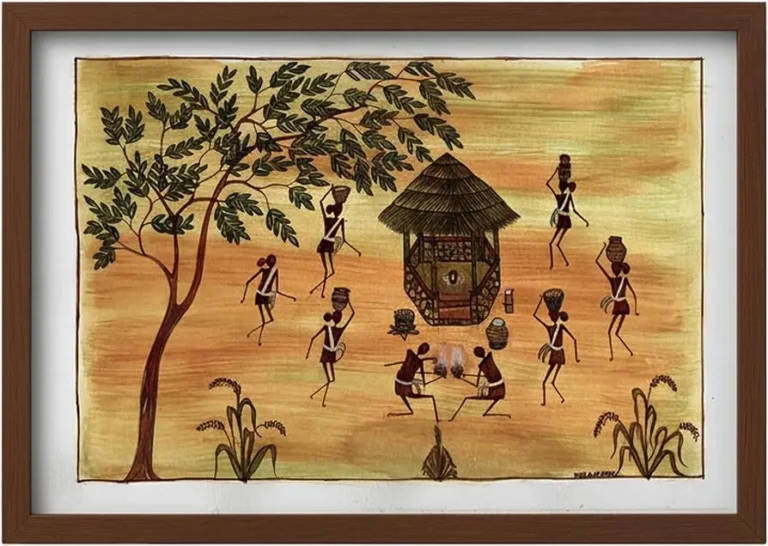
• Depict tribal rituals and ceremonies.
• Illustrate forest life, animals, honey collection, and nature.
• Represent daily activities of the Kurumba community.
2. Artistic Style
• Simple linear figures and geometric patterns.
• Extensive use of dots, lines, and minimalistic motifs.
3. Natural Colours
• Artists prepare pigments from natural sources such as tree resin, charcoal, and forest minerals — a topic frequently discussed in IAS coaching in Hyderabad while studying tribal art traditions.
Cultural Importance
• Tribal Identity: Kurumba paintings reflect the cultural traditions and spiritual beliefs of the Kurumba tribe.
• Indigenous Knowledge: The artwork showcases traditional ecological knowledge and forest-based lifestyle.
• Heritage Preservation: Such art forms contribute to India’s diverse cultural heritage.
Threats to the Art Form
• Declining number of practicing artists.
• Modern lifestyle changes and reduced interest among younger generations.
• Limited institutional support and market opportunities.
Steps for Preservation
• Promote documentation and research on tribal art traditions.
• Provide government support through tribal welfare and handicraft schemes.
• Encourage cultural tourism and exhibitions.
• Introduce art education programs for tribal youth, topics often discussed in UPSC online coaching and civils coaching in Hyderabad while preparing GS1 art and culture.
This topic is available in detail on our main website.