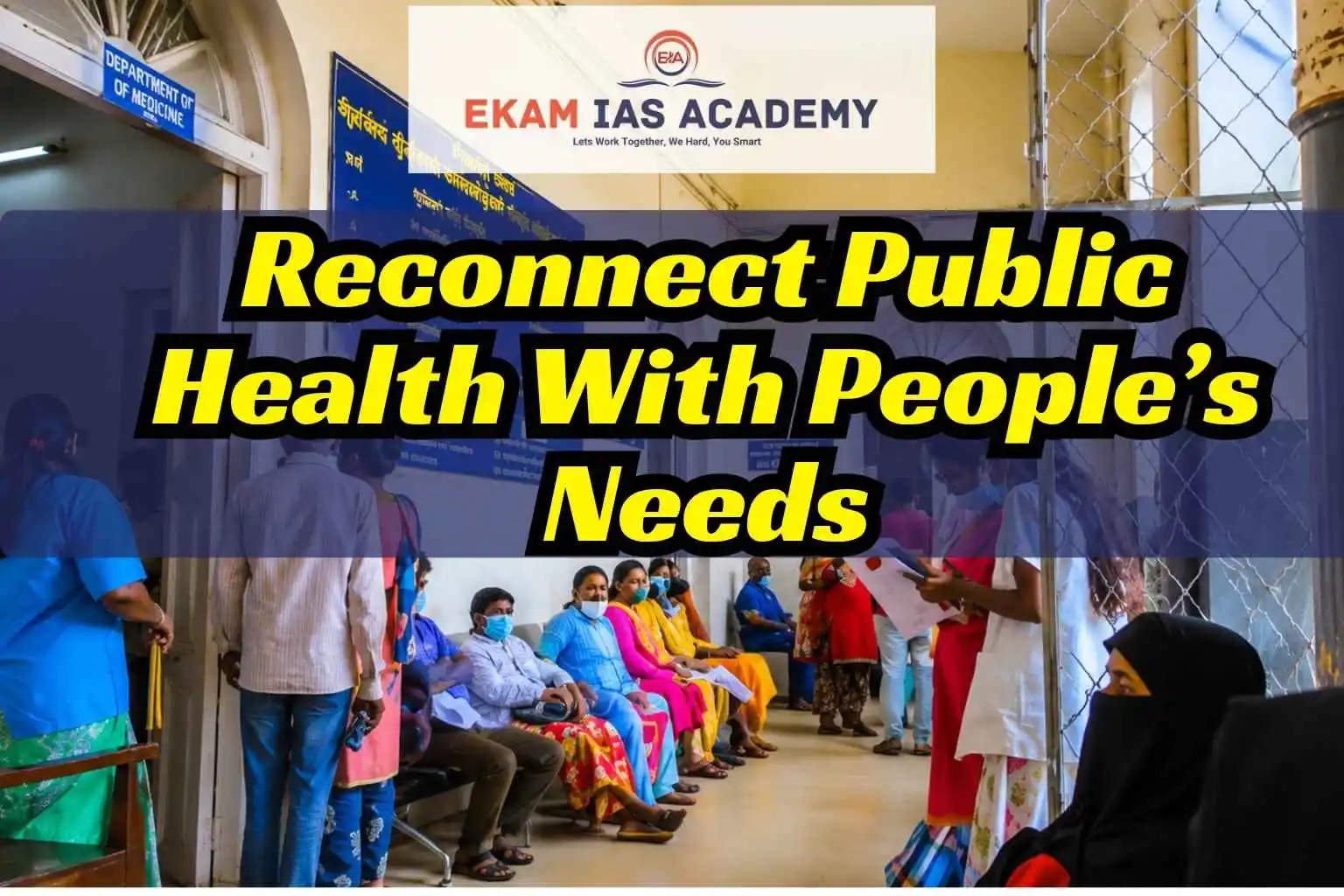

The National Organ and Tissue Transplant Organisation (NOTTO) has launched a real-time national portal and mobile application to create a unified organ donation ecosystem, improve transparency in allocation, and reduce delays for patients awaiting transplantation. The initiative represents a major step towards digital healthcare governance and equitable access to lifesaving medical services. This topic is important for aspirants preparing for GS2 Governance through Best IAS Academy in Hyderabad.
About NOTTO Portal
- Creates a national waiting list to reduce delays in transplantation.
- Ensures transparent and traceable allocation across hospitals and states.
- Expands swap donor matching nationwide, improving chances for kidney recipients.
- Records post‑transplant health outcomes, aiding research and policy.
- Promotes Aadhaar‑linked pledges, boosting donor clarity and trust.
- Strengthens Centre‑State coordination and cooperative federalism.
- Aligns with Digital Health Mission and Universal Health Coverage goals.
Key Features
- Unified waiting list: Hospital, state, regional, and national lists generated automatically.
- Real‑time allocation: Digital management of intra‑hospital, inter‑state, and national transfers.
- Swap donor matching: Expands paired kidney exchange across India’s nearly 1 lakh patients.
- Outcome registry: Hospitals upload follow‑up data, creating a national database for monitoring.
- Digital alerts: Automated notifications replace manual calls.
- Regulatory functions: Online registration and monitoring of transplant centres and statutory committees.
Organ Allocation Process
- Donor hospital gets first priority for its registered patients.
- If unmatched → organ moves to State Pool → Regional Pool → National Pool.
- Kidney allocation: One kidney stays with donor hospital; the other goes to nearest government hospital with a match, else moves up the allocation chain.
Current Status of Transplants
- Delhi: Highest overall transplants – 4,564.
- Tamil Nadu: Highest deceased donor transplants – 266.
- India still faces low deceased donation rates compared to global standards.
Challenges
Different state policies:
- Telangana, Maharashtra, Gujarat → score‑based allocation.
- West Bengal, Karnataka, Kerala → priority by registration date.
- Tamil Nadu → zonal system.
- MP & Chhattisgarh → preference for patients without living donors.
Policy harmonisation needed
Healthcare is a State Subject, requiring consensus.
Phased rollout
Full functionality expected within two months after testing.
Broader Dimensions
- Governance: Enhances transparency and accountability in healthcare.
- Technology: Integrates with Ayushman Bharat Digital Mission.
- Ethics: Aadhaar‑linked pledges reduce disputes over consent.
- Global comparison: Similar to UNOS (USA) and NHS Blood & Transplant (UK).
- Public health: Builds trust, encourages donations, and improves equity in access.
Conclusion
The NOTTO portal is a landmark in India’s healthcare digitisation, but its success will depend on harmonised policies, strong Centre‑State cooperation, and greater public awareness to boost organ donation.