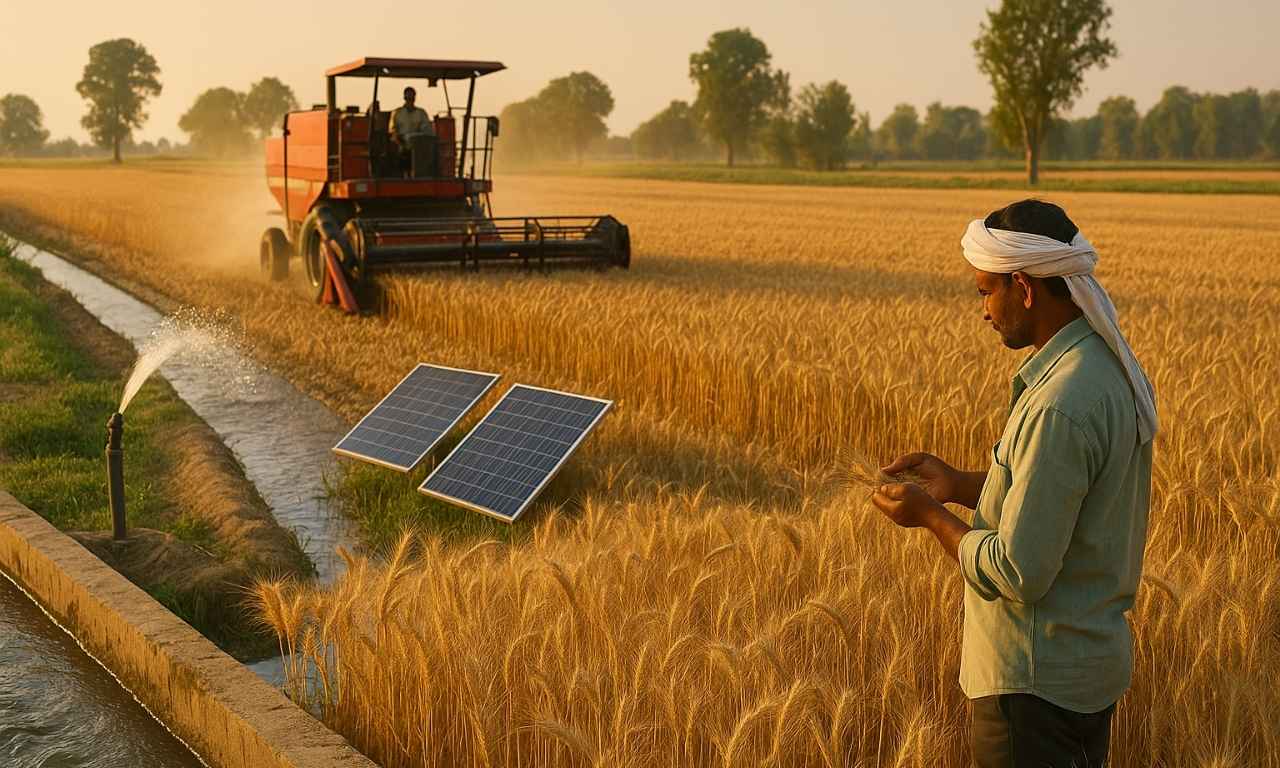

India added 45 GW of solar and wind capacity in 2025, matching the US, making renewables the cheapest power source (~₹3.5/kWh). However, over 50 GW of clean energy remains stranded due to transmission delays, highlighting grid bottlenecks as the biggest barrier to India’s energy transition. This topic is important for aspirants preparing for GS3 Economy and renewable energy infrastructure-related issues through upsc online coaching.
Current Status of Renewables
• Installed Capacity: ~250 GW.
• Under Construction: ~100 GW.
• Target: ~2,000 GW by 2050 to meet rising demand and electrify industry/transport.
• Transmission Mismatch: Renewable plants ready in 12–18 months, but grid lines take 3–5 years.
• Expansion Plan: India plans a 40% grid expansion in the next decade, costing $100+ billion (CEA).
Unlocking Clean Energy Superhighways
Storage at Renewable Plants
• Transmission lines used only 25% of the time.
• Adding batteries can triple utilisation, enabling ~400 GW extra clean energy.
• Example: Gujarat’s solar parks piloting battery storage integration.
Coal Corridors for Renewables
• India has 100 GW of old coal plants with underused transmission lines.
• Co-locating solar/wind near coal plants allows dual use of corridors.
• Potential: ~100 GW clean energy.
• Example: NTPC exploring solar-coal hybrid corridors.
Using Existing Substations
• Many substations can host new renewable connections.
• Coupled with batteries, they support peak demand supply.
• Potential: ~100 GW additional clean energy.
• Example: Rajasthan substations integrating solar plus storage projects.
Modern Conductors
• Old wires sag under heat, limiting flow.
• Replacing with high temperature, low sag (HTLS) conductors can double transfer capacity.
• Reconductoring + storage can raise total potential to ~1,000 GW within existing corridors.
• Example: Power Grid Corporation piloting HTLS conductors in Delhi region.
Way Forward
• Regulatory Push: CERC mandates solar plus storage; states must adopt.
• Procurement Norms: Reward advanced transmission technologies that cost slightly more but deliver lifetime efficiency gains.
• Renewable Energy Zones: Coordinated planning of zones and corridors to avoid delays.
• Industrial Demand: Steel, aluminium, cement, and data centres need 24×7 reliable clean power at predictable prices.
Conclusion
India’s cheapest power is ready, but only a smart, future-proofed grid can unlock its full potential and drive the next phase of growth.