
Pyroprocessing has recently gained attention for its wide industrial applications, especially in cement manufacturing, metallurgy, and nuclear fuel reprocessing, with cement production being its largest use. This topic is important for aspirants preparing for GS3 Science and Technology and industrial development-related issues through UPSC online coaching.
What is Pyroprocessing?
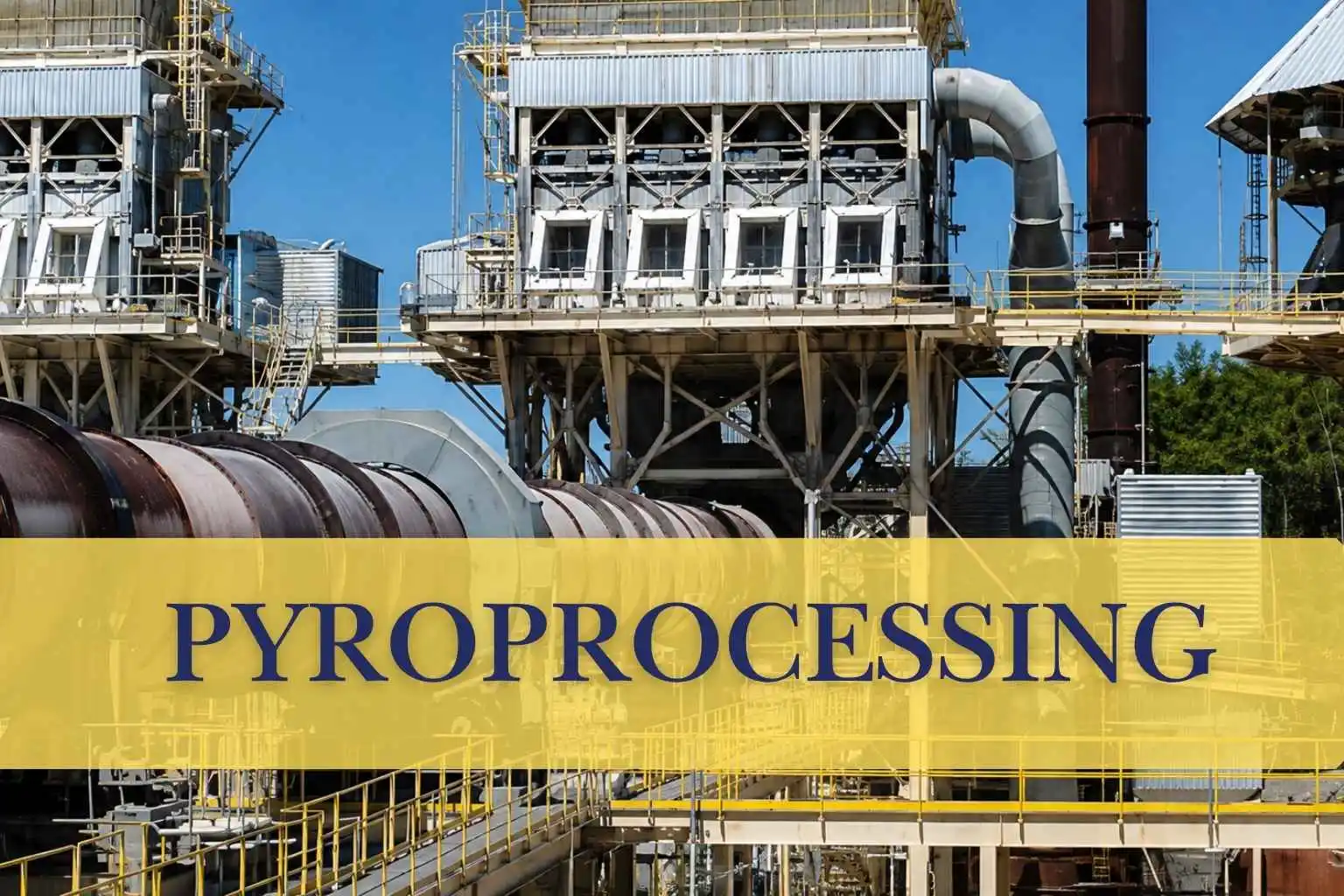
• Pyroprocessing is a dry, high temperature process that alters the physical or chemical properties of solid materials.
• It typically operates between 900°C and 1,450°C, depending on the material and industrial requirement.
• It is highly energy intensive and requires efficient thermal management, process control, and emission reduction systems.
Applications of Pyroprocessing
1. Cement Manufacturing
• Process: Finely ground limestone, clay, and iron are fed into a rotary kiln.
• Chemical Reaction: Limestone releases carbon dioxide at around 900°C, while at nearly 1,450°C, the mixture partially melts to form clinker nodules.
• Outcome: Clinker is then ground to produce cement, which forms the backbone of infrastructure development.
2. Metallurgy
• Roasting: Sulphide ores are heated in air to form oxides.
• Smelting: Ore is melted to separate metal from impurities, which form slag.
• Calcining: Limestone is heated to produce lime or calcium oxide, used in steel and glass industries.
3. Nuclear Industry
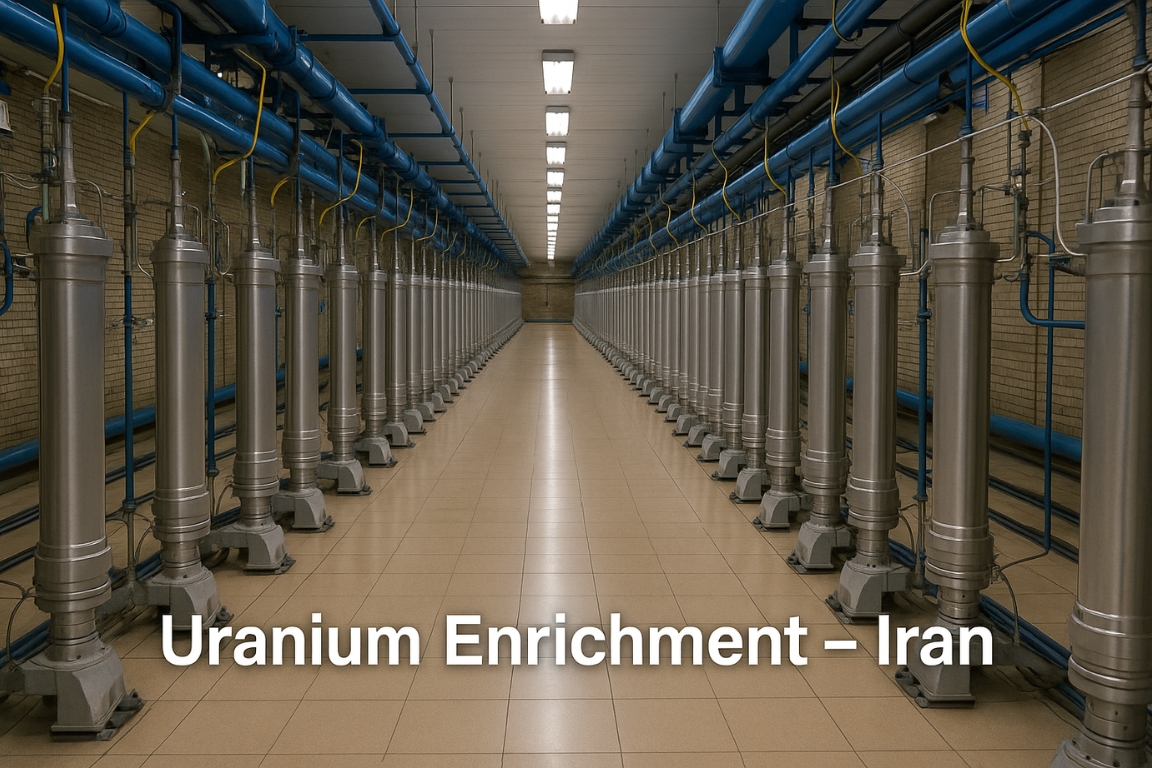
• Reprocessing Spent Fuel: Spent nuclear fuel is dissolved in a molten salt bath, usually lithium–potassium chloride, at around 500°C.
• Electrochemical Separation: Electric current separates elements based on their electrochemical properties.
• Global Research: Pyroprocessing is being studied in Japan, South Korea, and the United States for advanced fast reactor programmes.
Significance
• Reduces waste and improves material recovery efficiency.
• Supports circular economy goals in nuclear and metallurgical sectors.
• Encourages innovation in low carbon cement technologies.
• Supports India’s National Mission on Sustainable Habitat by promoting cleaner and more efficient industrial processes.
Conclusion
Pyroprocessing exemplifies how high temperature science drives industrial sustainability. By linking energy efficiency, waste reduction, and technological advancement, it plays an important role across cement, metallurgy, and nuclear sectors.