


India has begun a phased Tiger Reintroduction Programme in Buxa Tiger Reserve, West Bengal, with tigress T138 brought from Bihar’s Valmiki Tiger Reserve. The initiative is part of Tiger Reintroduction in India and broader Tiger Population Restoration India efforts.
About Buxa Tiger Reserve
- Located in northern West Bengal, Buxa was declared a Tiger Reserve in 1983 and is an important part of the network of Tiger Reserves in India.
- It forms part of a wider transboundary landscape connected with forests of Bhutan and Assam, making wildlife corridors crucial for long-term conservation.
- Over time, habitat degradation, fragmentation, land-use changes and declining prey availability weakened its capacity to sustain a resident tiger population.
- The Buxa Tiger Reserve Reintroduction programme seeks to restore a viable tiger population through scientifically planned Tiger Translocation Programme India efforts.
Why Reintroduce Tigers?
- Tiger Reintroduction Programme India seeks to establish a viable, breeding and self-sustaining tiger population where local populations have disappeared.
- It can restore the tiger’s role as an apex predator, contributing to ecological balance and strengthening Tiger Conservation in India.
- India has previously used Tiger Reintroduction Project approaches to rebuild populations in reserves such as Sariska and Panna.
- However, translocation is effective only when the underlying causes of local extinction have been addressed.
- Such interventions form part of India’s broader Tiger Population Recovery India strategy.
Key Ecological Challenges
- Poor prey base: Tigers require adequate populations of natural prey such as chital and other ungulates.
- Habitat fragmentation: Roads, railway lines, settlements and other infrastructure can obstruct animal movement and increase mortality.
- Habitat quality: Ecological restoration must maintain suitable grasslands and vegetation needed by herbivores.
- Human-wildlife conflict: Tigers moving outside reserve boundaries can threaten livestock and increase conflict with surrounding communities.
- Genetic viability: Connectivity with neighbouring forests is necessary to permit natural dispersal and maintain genetic diversity.
Conservation vs Community Rights
- Tiger conservation cannot be viewed only through the idea of an inviolate core area.
- Forest-dependent and tribal communities may depend on forests for livelihoods, cultural practices and ecosystem resources.
- Community-based conservation can create local support through livelihood opportunities, compensation, ecotourism and conflict-management mechanisms.
- Government conservation policy itself recognises community involvement as an important component of tiger protection and Wildlife Conservation India.
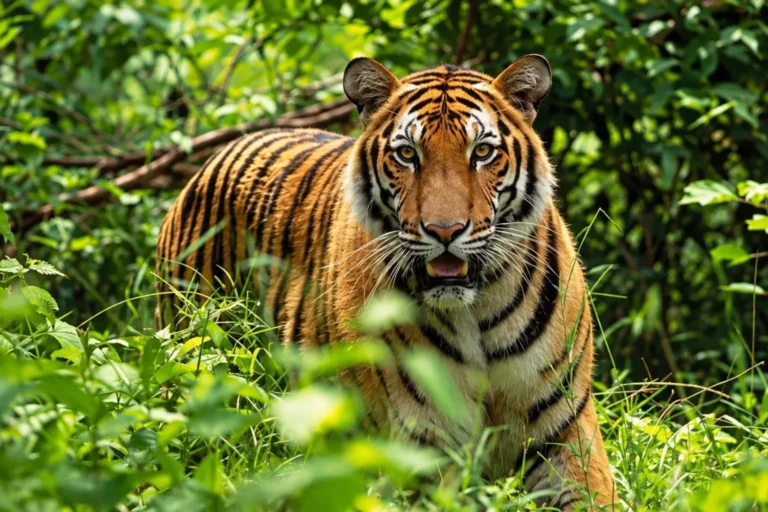
India’s Tiger Conservation Framework
- Project Tiger India, launched in 1973, provides financial and technical support for habitat and tiger conservation. India’s estimated average tiger population reached 3,682 in 2022.
- The National Tiger Conservation Authority (NTCA) provides scientific and management guidance to tiger-range States.
- Under Section 38V of the Wildlife (Protection) Act, 1972, Tiger Conservation Plans must protect tigers and their prey while also maintaining ecological connectivity between protected areas.
- Project Tiger UPSC and Tiger Conservation Programme UPSC are important areas for understanding India’s institutional framework for tiger protection.
Way Forward
- Adopt landscape-level conservation, extending protection beyond reserve boundaries to wildlife corridors.
- Make railway, road and other infrastructure wildlife-sensitive through crossings and scientific impact assessment.
- Strengthen camera-trap monitoring, genetic studies and long-term tracking of released animals.
- Ensure local communities become conservation partners, with rapid compensation for livestock losses and sustainable livelihood support.
- Shift policy from reactive rescue to preventive conservation, identifying ecological decline before wildlife populations disappear.
Conclusion
Buxa’s real success will not be measured by the number of tigers released, but by whether a healthy habitat, secure corridors and supportive communities allow tigers to survive and reproduce naturally. The Tiger Reintroduction Programme therefore needs to be integrated with long-term Tiger Conservation in India, habitat restoration and community-based Wildlife Conservation India.