
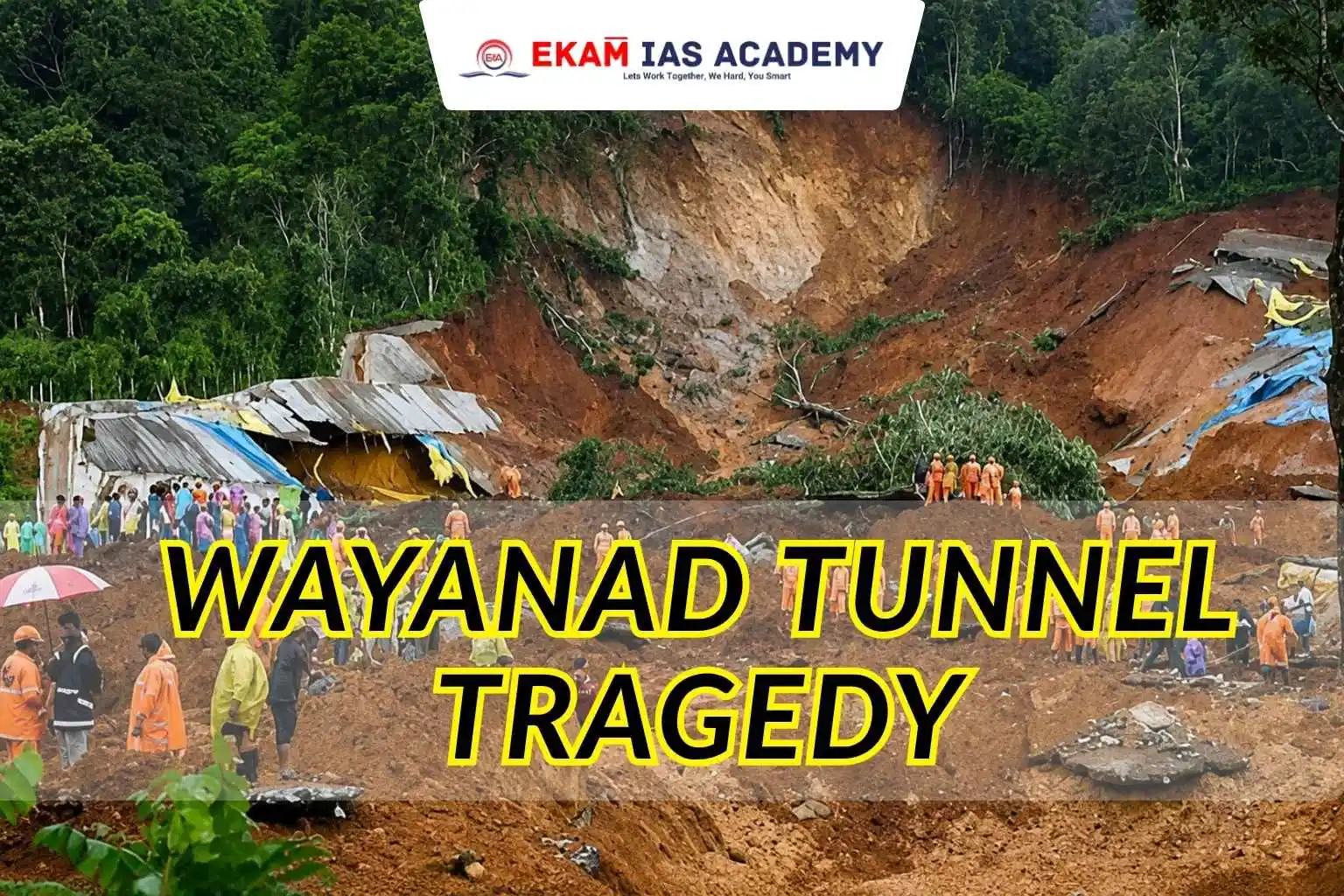
The Wayanad tunnel landslide tragedy in Kerala has been termed a man-made disaster, as warnings issued by officials between June 20–25, 2026 were ignored, leading to loss of lives and property. This topic is important for aspirants preparing for GS3 Disaster Management and infrastructure governance through hyderabad ias coaching.
Tunnel Project
• Project: Anakkampoyil–Kalladi–Meppadi tunnel, planned to improve connectivity between Kozhikode and Wayanad.
• Site Risks: Flagged for soil piping, slope instability, and erosion.
• Agencies Involved: District Collector, Public Works Department (PWD), Kerala Road Fund Board (KRFB), Kerala State Disaster Management Authority (KSDMA).
Timeline of Negligence
• June 20, 2026: First warning issued about slope instability.
• June 25, 2026: Second warning reiterated risks.
• Outcome: Landslide struck, causing casualties and destruction due to lack of preventive action.
Why Called a Man-Made Disaster
• Ignored scientific warnings despite clear risk assessments.
• Administrative lapses in coordination between agencies.
• Failure of disaster preparedness despite Kerala’s past experiences with floods and landslides.
• Reflects broader issue of development versus environmental safety.
Broader Dimensions
• Environmental Governance: Projects in ecologically fragile zones must undergo strict Environmental Impact Assessments (EIA).
• Disaster Management: NDMA guidelines stress early warning systems and preventive action, which were not followed.
• Comparative Example: Similar negligence seen in Joshimath subsidence (Uttarakhand), where warnings were ignored until crisis unfolded.
• Policy Gap: Need for stronger accountability mechanisms in infrastructure projects in sensitive regions.
NDRF Act
Constituted under the Disaster Management Act, 2005. Provides for creation of a specialized force for disaster response at national level.
Control & Supervision:
- Operates under the Ministry of Home Affairs.
- Supervised by the National Disaster Management Authority (NDMA).
Composition:
- Battalions drawn from Central Armed Police Forces (CAPFs) like CRPF, BSF, ITBP, CISF, and SSB.
- Personnel trained in search, rescue, relief, and rehabilitation.
Deployment:
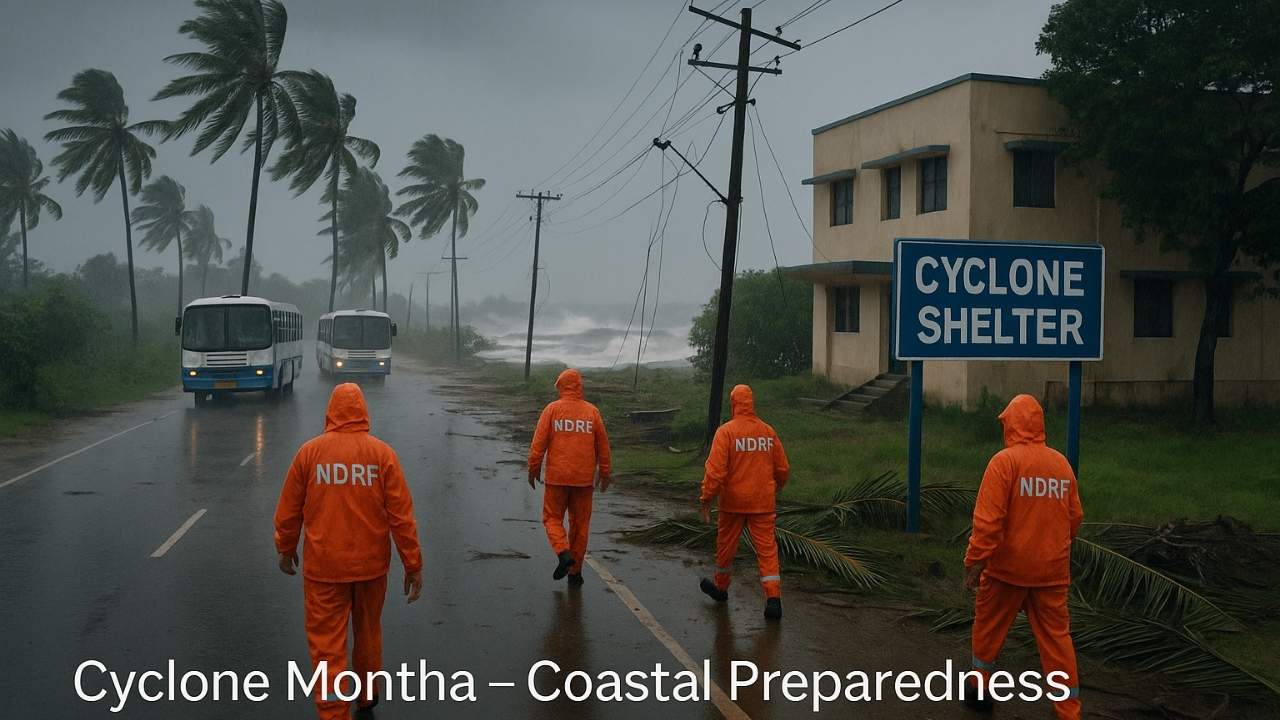
- Deployed during natural disasters (floods, cyclones, earthquakes, landslides) and man‑made disasters (industrial accidents, chemical leaks).
Works in coordination with State Disaster Response Forces (SDRFs).
Conclusion
The Wayanad tunnel tragedy underscores that ignoring scientific warnings turns natural hazards into man-made disasters, demanding accountability and sustainable planning in fragile ecosystems.