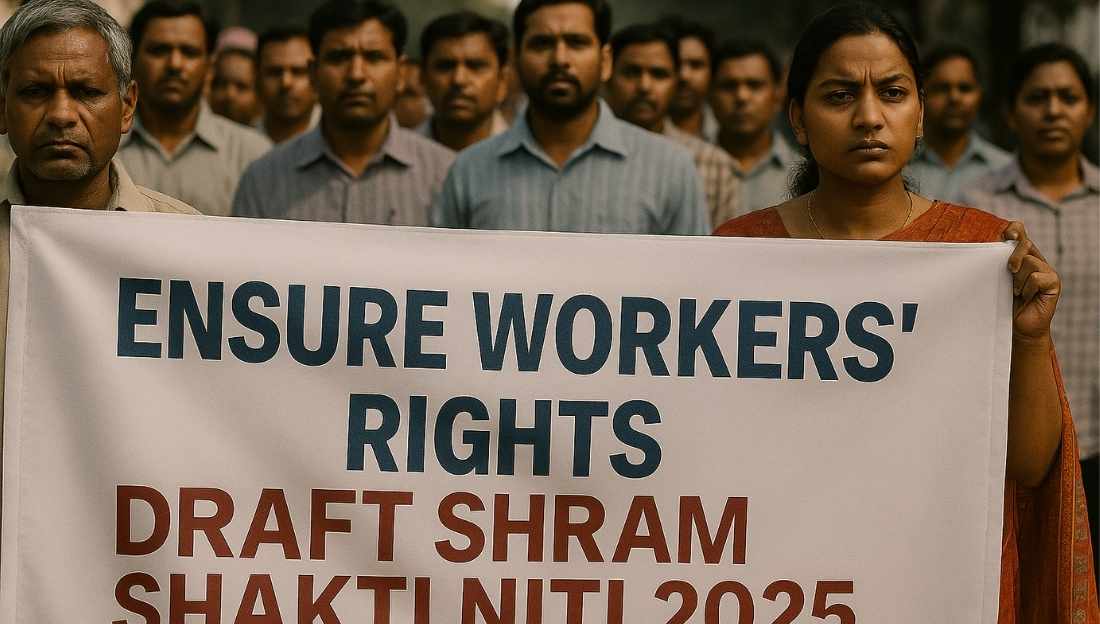


The Allahabad High Court recently quashed the NSA detention of activist Akriti Chaudhary, terming it an “abuse of preventive detention law.” The judgment highlights concerns regarding Judicial Pushback Against Reflexive Arrests, misuse of detention powers, and the need for stronger safeguards against Reflexive Arrests in India.
Preventive Detention in India
- Detention of a person to prevent them from committing a possible future offence, not for punishing past acts. It is different from ordinary criminal arrest, where a person is detained for an alleged offence already committed.
- Constitutional Basis: Provided under Article 22 of the Constitution. India is among the few democracies that constitutionally permit preventive detention.
- Duration: Up to 3 months without approval. Beyond 3 months requires clearance from an Advisory Board of judges.
- Parliament can prescribe longer detention under specific laws (e.g., National Security Act, COFEPOSA).
- Safeguards:
o Detainee must be informed of grounds (except in sensitive cases).
o Advisory Board review mandatory for extended detention.
o Subject to judicial scrutiny to prevent misuse and protect against Unlawful Arrests in India.
Constitutional Provisions
- Article 19(1)(a): Guarantees freedom of speech and expression, forming the basis of democratic dissent.
- Article 19(1)(b): Protects the right to peaceful assembly without arms.
- Article 21: Safeguards personal liberty; arbitrary detention violates due process and strengthens the importance of Right to Personal Liberty Article 21.
- Article 22: Permits preventive detention but imposes safeguards — maximum detention without advisory board review is 3 months. These provisions provide Article 22 Arrest Safeguards against misuse of state power.
- Judicial Role: Courts have repeatedly held that preventive detention must be exercised with caution (Ramlila Maidan Case, 2012). Courts continue to examine Judicial Review of Police Arrests to ensure constitutional limits are respected.
BNSS Framework
- Section 163 BNSS: Empowers police to regulate assemblies and processions, but subject to constitutional safeguards.
- Preventive Powers: BNSS provisions, like CrPC’s Section 144, allow restrictions in urgent cases of public safety. These provisions define aspects of BNSS Arrest Provisions and police preventive authority.
- Judicial Oversight: Courts emphasise that such powers cannot be misused to suppress legitimate dissent or target activists. Proper implementation of Police Arrest Powers India remains essential for maintaining the rule of law.

Issues Highlighted
- Executive Arbitrariness: Detention orders passed “without application of mind” undermine rule of law and raise concerns about Protection Against Arbitrary Arrest.
- Suppression of Dissent: Reflexive arrests of activists chill democratic participation and create concerns around Reflexive Arrests in India.
- Disproportionate Use of NSA: Designed for grave threats to national security, but often invoked against peaceful protestors.
- Impact on Workers: While activists may secure relief, workers remain vulnerable to oppressive models and unfulfilled promises.
- Weak accountability mechanisms highlight the need for stronger Police Accountability India reforms and improvements in the criminal justice system.
Significance of Judicial Intervention
- Reinforces constitutional morality by protecting dissent.
- Acts as a check on executive excesses, ensuring accountability.
- Strengthens democratic resilience, affirming that protests are integral to governance.
- Compensation ordered against erring officials sets a precedent for personal liability in misuse of preventive detention.
- Such interventions contribute to wider debates on Criminal Justice Reform India and fair arrest procedures.
JUDICIAL INTERPRETATION:
- Courts emphasise that preventive detention must be an exception, not routine.
- Maneka Gandhi v. Union of India (1978) expanded Article 21 to include fairness and natural justice.
- ADM Jabalpur Case (1976) upheld suspension of liberty during Emergency, later overruled.
- Judicial decisions have shaped modern Supreme Court on Arrests, establishing principles for lawful detention, due process, and protection of fundamental rights.
- Arrest guidelines developed through judicial interpretation aim to prevent unnecessary custody and ensure balance between police powers and citizen freedoms.
Conclusion
By invoking constitutional safeguards and scrutinising BNSS powers, the judiciary reaffirms that democracy thrives on dissent, not suppression. The challenge ahead lies in ensuring that preventive detention laws are not weaponised against citizens exercising their fundamental rights.
Effective implementation of Arrests and Fundamental Rights UPSC principles requires balancing state security needs with individual liberty, ensuring that arrest powers remain lawful, reasonable, and accountable.