
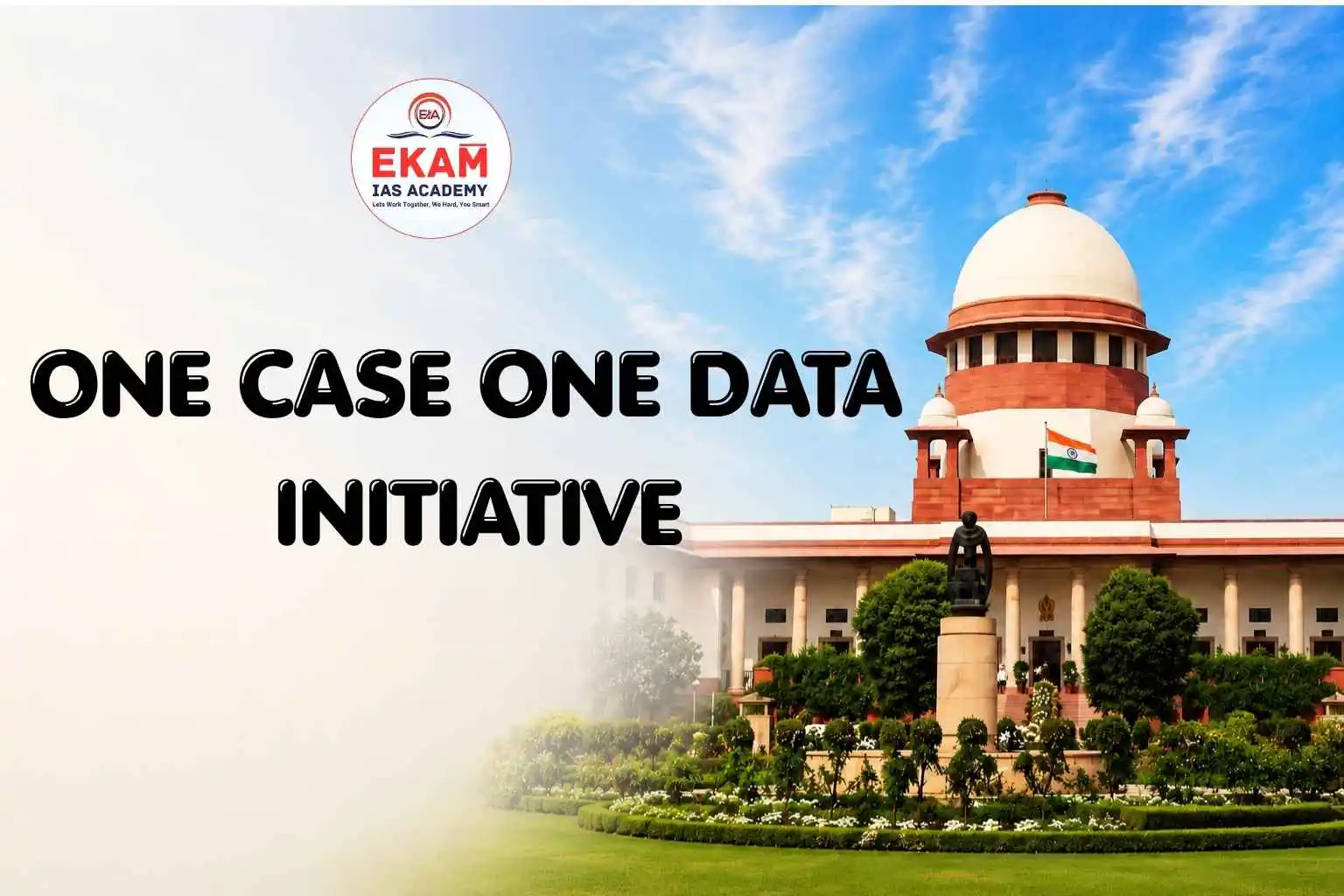
The Supreme Court of India has launched the “One Case One Data” initiative, a major step in judicial digitalisation. It aims to integrate case-related information across all levels of courts into a single digital identity, ensuring continuity and transparency. This topic is important for aspirants preparing through IAS coaching in Hyderabad, UPSC coaching in Hyderabad, and UPSC online coaching.
One Case One Data Initiative
• Unified Case Identity: Each case will have a unique digital ID, linking all records from lower courts to the Supreme Court.
• Integrated Data Access: Case information from district courts, taluka courts, High Courts, and the Supreme Court will be available on one platform.
• Automated Retrieval: Data will be automatically fetched from court databases, reducing manual verification delays.
• Continuity of Records: When a case moves to a higher court, existing records will be seamlessly updated instead of being recreated.
Su Sahay – AI Chatbot
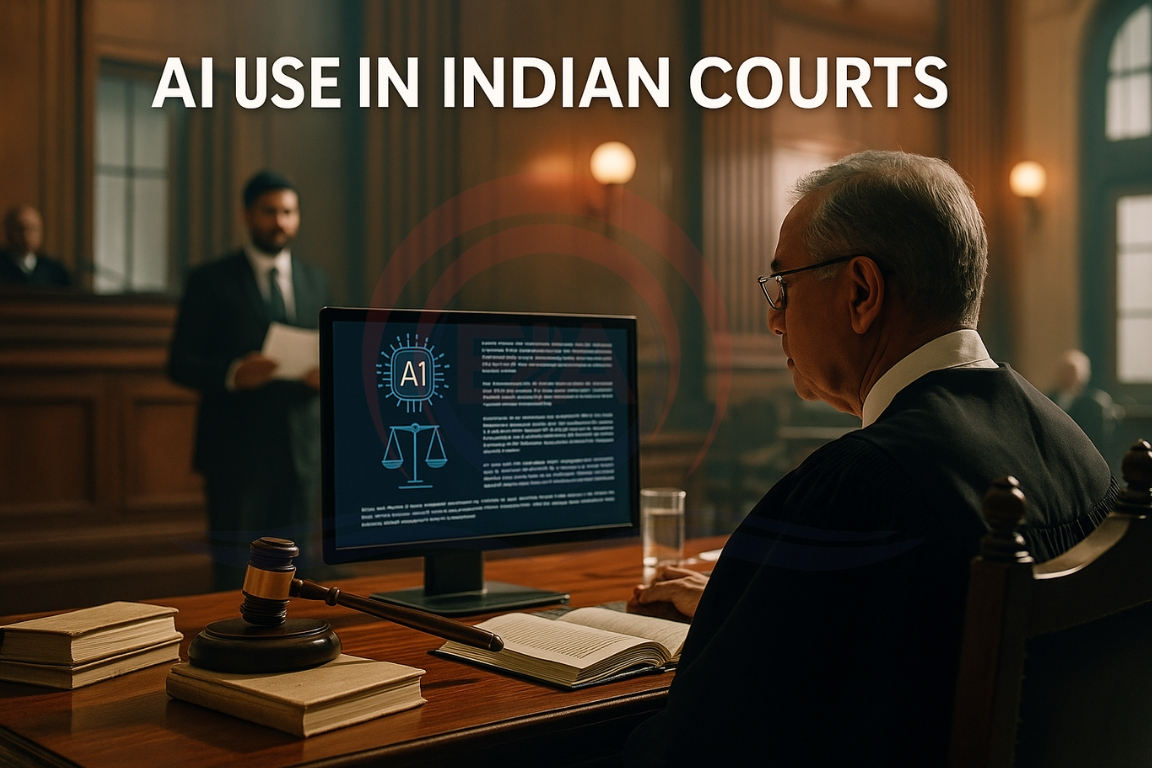
• Alongside this initiative, the Supreme Court introduced “Su Sahay”, an AI-powered chatbot.
• Developed by NIC and the Supreme Court Registry.
• Assists litigants with:
• Filing procedures.
• Accessing court services.
• General court-related queries.
Significance of the Initiative
• Improves judicial efficiency by reducing duplication of records.
• Enhances transparency and accessibility in the justice delivery system.
• Supports the vision of Digital India and e-Governance reforms.
• Reduces delays caused by fragmented court documentation.
• Strengthens citizen-centric governance through technology integration.
Challenges
• Data privacy and cybersecurity concerns in handling judicial records.
• Need for digital infrastructure and capacity building in lower courts.
• Integration challenges across different state judicial systems.
• Dependence on reliable digital connectivity and technical support.
Conclusion
The ‘One Case One Data’ initiative is a landmark reform in judicial digitalisation. By combining integration, automation, and AI support, it can strengthen judicial efficiency, transparency, and citizen access to justice. Aspirants preparing through IAS coaching and civils coaching in Hyderabad should understand its relevance in governance reforms, e-courts, and digital public administration.
This topic is available in detail on our main website.