

The development of heritage and pilgrimage sites has become an important part of India’s cultural tourism strategy. The proposed ₹114.06 crore development plan for Srikalahasteeswara Temple, Andhra Pradesh, under the PRASAD (PRASHAD) scheme reflects the government’s approach of combining heritage conservation, pilgrim facilities, and sustainable tourism development. This topic is important for aspirants preparing for GS1 Indian Culture through IAS Preparation.
Srikalahasti Temple
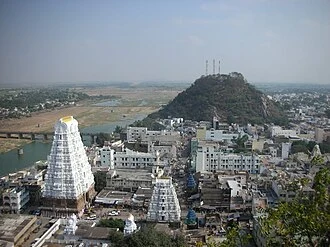
- Location: Situated in Srikalahasti town, Tirupati district, on the banks of the Swarnamukhi River, adjoining a hill.
- Religious Significance: Known as Dakshina Kailasam (Southern abode of Shiva); one of the most revered Shaivite temples.
Historical Background:
- Inner shrine constructed in the 5th century.
- Outer temple expanded by Chola emperor Rajendra Chola I in the 11th century.
- Gopurams built by Kulottunga Chola I.
- Vijayanagara rulers in the 16th century constructed the 120‑m high Rajagopuram.
- Architecture: Exemplifies Dravidian style with intricate carvings and sculptures.
PRASAD Scheme (Now PRASHAD)
- Launch: Initiated by Ministry of Tourism as a Central Sector Scheme.
- Objective: Integrated development of pilgrimage and heritage destinations.
- Renaming: In 2017, renamed National Mission on Pilgrimage Rejuvenation and Spiritual Heritage Augmentation Drive (PRASHAD).
- Financial Assistance: Centre supports States/UTs for infrastructure development.
- Facilities Covered: Entry points, last‑mile connectivity, eco‑friendly transport, lighting, parking, drinking water, toilets, waiting rooms, craft bazaars, Wi‑Fi, and digital services.
Significance of the Proposal
- Pilgrim Amenities: Better sanitation, cloakrooms, waiting halls, and drinking water facilities.
- Tourism Boost: Enhances visitor experience, promoting Andhra Pradesh’s cultural tourism.
- Economic Impact: Generates local employment through craft bazaars, souvenir shops, and hospitality services.
- Cultural Preservation: Supports conservation of one of India’s oldest Shaivite temples, reinforcing heritage identity.
- Comparative Example: Similar PRASAD projects have upgraded Kashi Vishwanath Corridor (UP) and Kamakhya Temple (Assam), showing nationwide impact.
Conclusion
The PRASAD proposal for Srikalahasti Temple shows how heritage conservation and modern infrastructure can work together to enrich pilgrim experience and strengthen cultural tourism.