
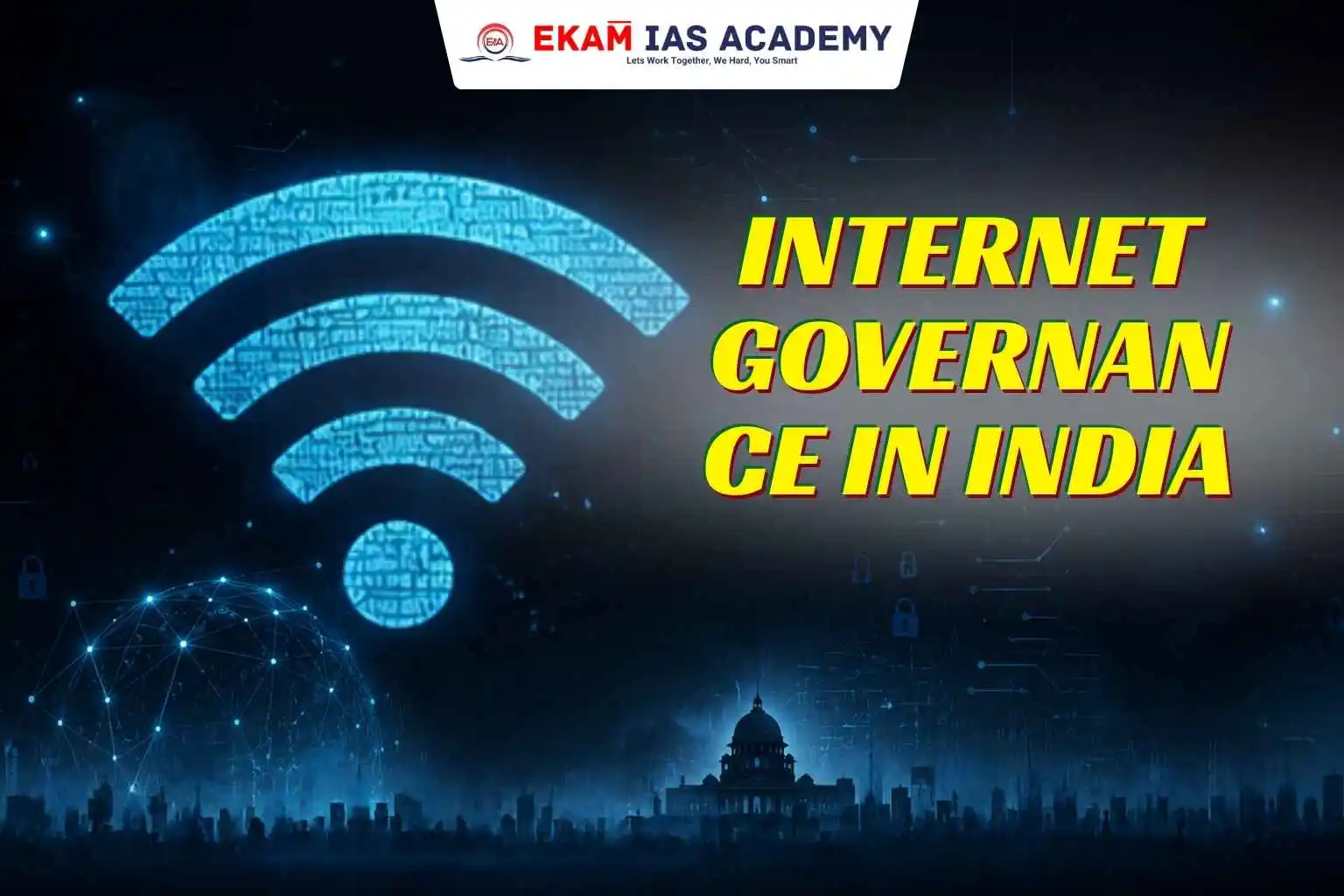
The rapid expansion of digital technology has transformed governance, communication, and economic activities in India. However, recent controversies such as the NEET examination crisis and subsequent internet restrictions have highlighted the challenges of balancing national security, public order, and digital rights. This topic is important for aspirants preparing for GS2 Polity and Governance through UPSC Preparation.
Background of the Issue
- NEET Exam Crisis: Allegations of irregularities and unfair practices sparked nationwide protests.
- Government Response: Internet shutdowns, restrictions on messaging apps, and surveillance measures were imposed to control unrest.
- Judicial Context: The Supreme Court’s Anuradha Bhasin case (2020) established proportionality tests for internet restrictions, but enforcement remains inconsistent.
Governance Challenges
- Internet Restrictions: India has one of the highest numbers of internet shutdowns globally (over 700 shutdowns between 2012–2024, as per SFLC data). Blanket bans often disrupt education, healthcare, and business services.
- Tech Regulation: Apps like Telegram faced temporary bans; users shifted to VPNs and alternative platforms.
- Open‑Source & AI Strategy: Suspension of GitHub repositories during protests highlighted risks to India’s innovation ecosystem. Impacts India’s framing of open‑source and AI development policies.
- Data Protection Concerns: Personal Data Protection Act (PDPA) and Data Protection Board are still evolving. Meta threatened withdrawal of WhatsApp and Facebook over compliance issues, showing friction between Big Tech and Indian regulators.
International & Democratic Dimensions
- Global Implications: India’s frequent shutdowns affect its image as a digital democracy.
- Economic Impact: Internet restrictions cost India billions annually in lost productivity (World Bank estimates).
- Democratic Values: Blanket bans undermine freedom of speech and the right to information.
- Comparative Note: Countries like the EU adopt targeted restrictions instead of blanket bans, balancing security with rights.
Way Forward
- Strengthen Legal Safeguards: Apply proportionality tests consistently; ensure judicial oversight of shutdowns.
- Promote Digital Rights: Protect freedom of expression and access to information.
- Enhance Tech Regulation: Adopt nuanced policies for Big Tech without stifling innovation.
- Build Resilient Infrastructure: Encourage open‑source platforms and AI ecosystems aligned with democratic values.
AUTHORITY TO BAN APPS IN INDIA
Central Government – Ministry of Electronics & IT (MeitY)
- Under Section 69A of the Information Technology Act, 2000, the Union Government can block or ban apps and websites in the interest of sovereignty, security, public order, or relations with foreign states.
- Orders are issued through the Designated Officer in MeitY, following due process.
Judiciary
- The Supreme Court or High Courts can direct suspension or blocking of apps if they violate constitutional rights, spread unlawful content, or breach privacy norms.
- Example: Courts have intervened in cases involving data misuse and unlawful surveillance.
Regulatory & Security Agencies
- Agencies like the Indian Computer Emergency Response Team (CERT‑In) and the Ministry of Home Affairs may recommend bans based on national security concerns.
Example: Apps linked to foreign surveillance risks have been banned after intelligence inputs.
Conclusion
India’s NEET crisis highlights how internet governance must evolve to protect democratic freedoms while ensuring security and accountability.