
Concerns have been raised that unchecked artificial intelligence (AI) and large technology monopolies could create a new form of digital slavery, undermining democracy and human dignity. This topic is important for aspirants preparing for GS2 Polity and AI governance issues through upsc online coaching.
AI and Human Dignity
• Human-Centric Concern: AI threatens to reduce individuals to data points, eroding autonomy.
• Pope’s Warning: Governance must be legal and constitutional, not left to engineers’ ethics.
• Accountability: Every automated decision (loan, job, healthcare) must have a human answerable.
Challenges in Regulation
• Speed vs Law: AI develops at breakneck speed, while legislatures move slowly. The EU AI Act (2024) and UK Online Safety Act (2023) were already outdated when passed.
• Global Examples: International laws lag behind innovation; EU classified AI into “risk categories,” but deepfake misuse grew faster.
• Indian Context: India has 950+ million internet users (2025), yet digital literacy remains low. Studies show a 214% rise in misinformation during COVID-19, with India accounting for 1 in 6 fake news items globally.
Democracy’s Digital Vulnerability
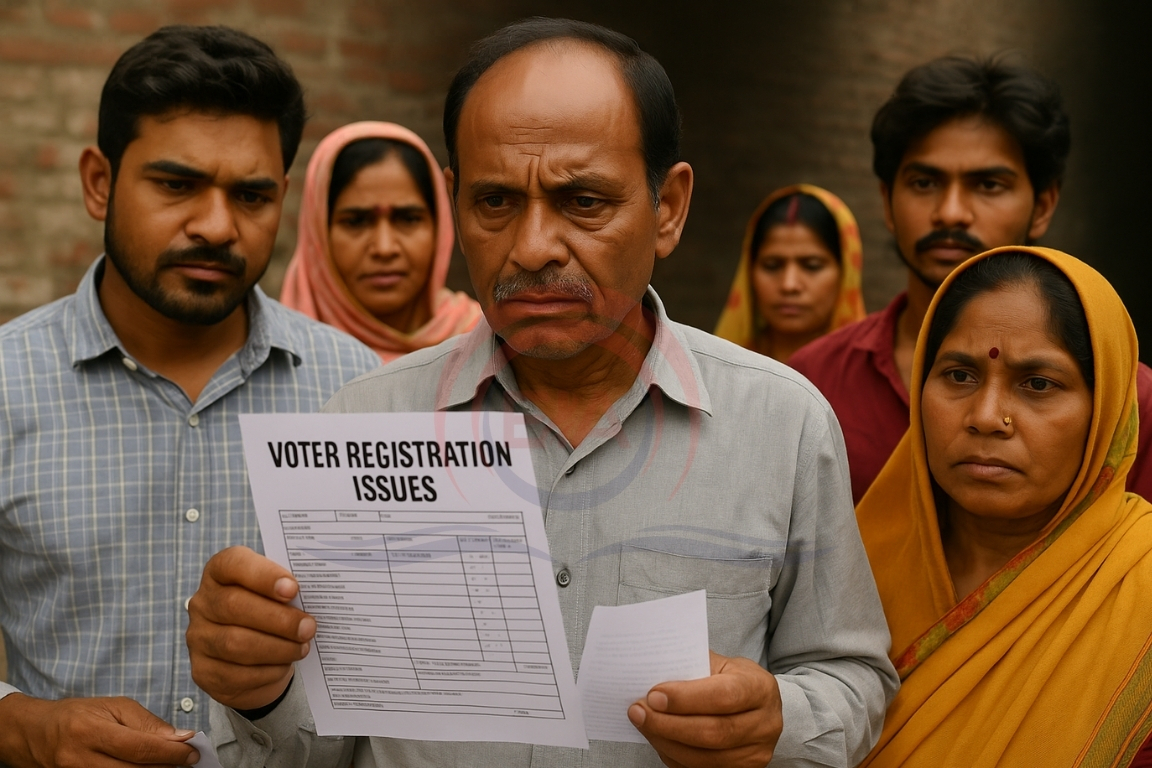
• Disinformation: Deepfakes blur truth and destabilise elections. Manipulated videos of leaders circulated during campaigns, confusing voters.
• Algorithmic Manipulation: Social media platforms amplify outrage for profit. A UNESCO Ipsos survey (2024) found 85% of urban Indians encountered online hate speech.
• Foreign Interference: AI-driven psychological operations exploit social fault lines, threatening national sovereignty.
Way Forward
• Rights-Based Framework: Citizens must have unalienable rights over their personal data. Strengthen consent protocols and prevent algorithmic bias in jobs, loans, and healthcare.
• Platform Accountability: Big Tech firms should not enjoy blanket safe harbour protections. Independent audits of algorithms and liability for harmful amplification are essential.
• Free Speech Safeguards: Regulation must target structural issues like bot networks and deepfake creators, not censor individual opinions.
• Media Literacy Drive: A national curriculum on digital citizenship can build resilience against misinformation. Example: Finland’s media literacy model.
• Early Warning Systems: Establish cross-sector detection networks; CERT-In can collaborate with fact-checkers and ethical hackers to identify coordinated misinformation in real time.
Conclusion
AI governance must be elevated to a constitutional imperative — protecting truth, dignity, and democracy from digital slavery.